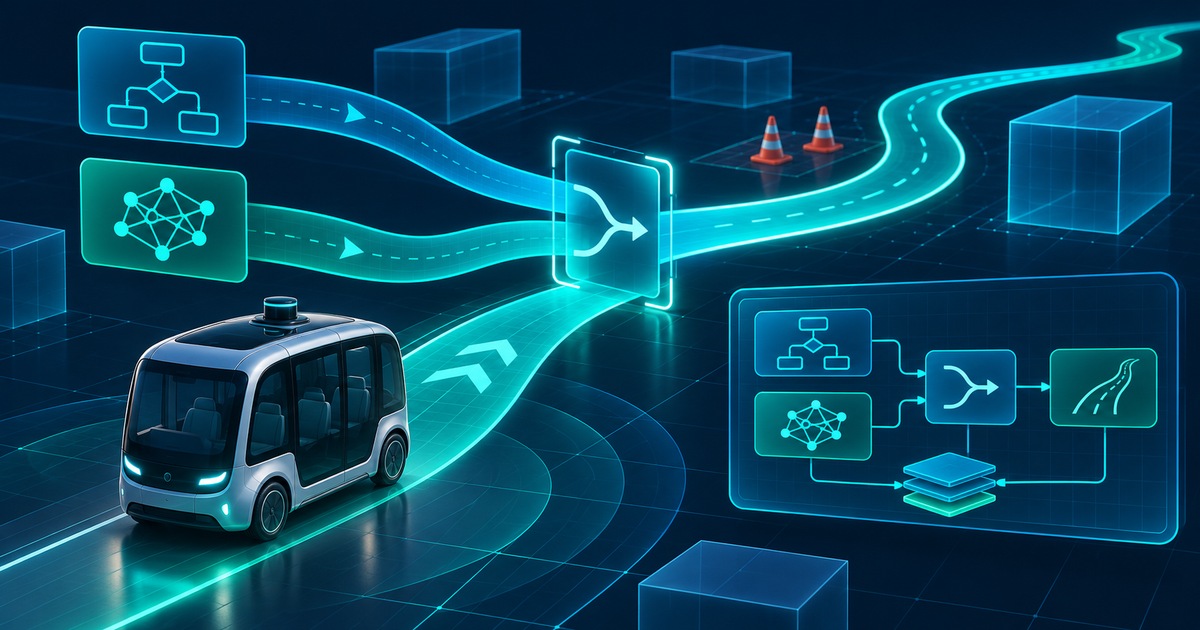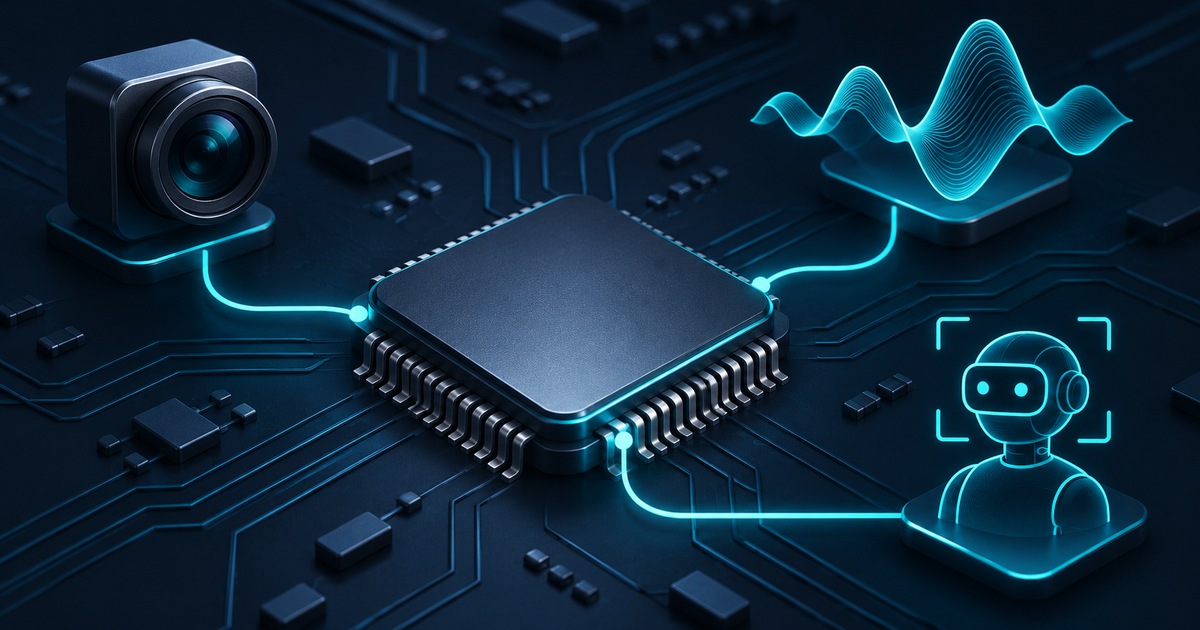
On November 2, Ceva said Mobilint uses SensPro AI DSP and NeuPro-Nano in REGULUS, calling it the first production deployment of the NeuPro family. Its announcement specifies 10 TOPS at under 3 W, support for up to 8 GB of memory and a shipping MLD-R1 USB product. These are supplier reports, not SIExpo measurements.
What sits behind the number
Mobilint's product page specifies 10 TOPS for dense INT8 operations. It describes REGULUS as a standalone processor running Linux and an application without a separate host. SDK qb compiles PyTorch, TensorFlow and ONNX models for the hardware. The documented workflow also includes a Yocto Linux environment. These are verified product descriptions, not our certification that every model is compatible.
The distinction between the chip and the USB device matters. The chip is a foundation for an embedded application; the USB product provides a separate way to attach the capability to an existing system. Specifications for one do not automatically establish power consumption for a complete configuration involving the other.
Different engines for different tasks
Ceva's portfolio describes NeuPro Nano for always-on perception within constrained resources, supporting CNNs, RNN-LSTM, small transformers and mixed precision. We do not transfer every capability of larger product lines in the family to this particular REGULUS configuration.
Our engineering interpretation is that local AI should be assessed from the incoming signal to a useful result. Consider a camera inspecting manufactured parts. A suitable system must obtain an image, process it, run the model and deliver a decision on time. A peak arithmetic operations figure does not independently measure that complete sequence.
How we would assess practical value
A useful test would use the actual model and representative images, including difficult cases. We would compare accuracy before and after conversion for the device and record latency for the complete request. If multiple streams are involved, they should be included in the same evaluation instead of relying on one selected frame.
Power should be measured for a clearly described configuration and workload. A camera, memory and connections to the surrounding system add their own requirements. We therefore do not calculate battery life or guarantee enclosure temperatures from a chip-level claim. These are proposed evaluation criteria, not shortcomings we have established in REGULUS.
The announcement documents a particular combination of IP components moving into commercial silicon. A developer's next question is whether the selected model, software and device collectively perform the task. SIExpo has not ordered an evaluation board or conducted a hardware benchmark. The reported production deployment does not replace that examination.
Editorial verification: 2026-11-02T17:07:21.522703+00:00 (UTC; Europe/Sofia is UTC+02:00).