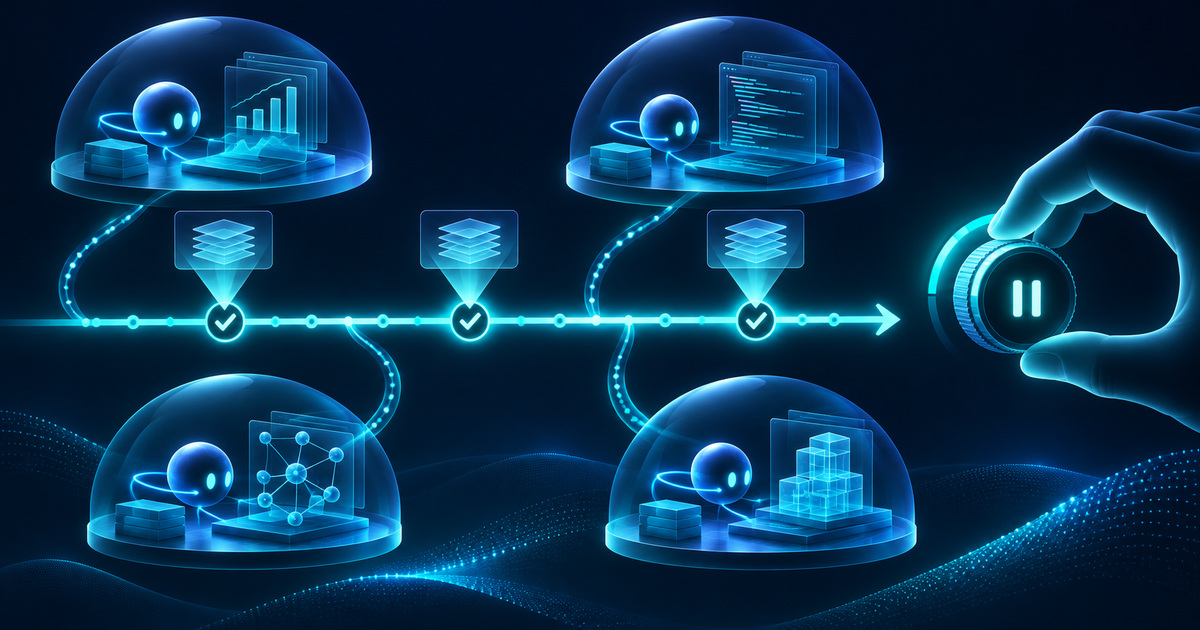
Lambda connects durable AI workflows with MicroVM tasks in developer preview
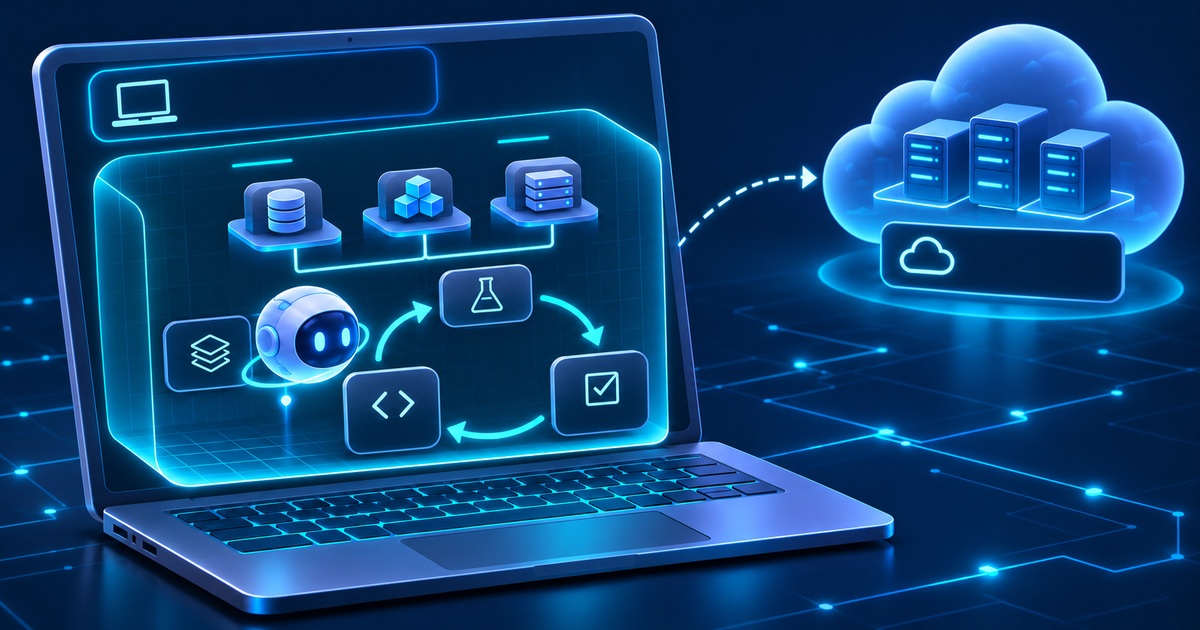
The November 25 extension manages the lifecycle of isolated tasks. Preserved state helps work continue while requiring clear boundaries between users and retry attempts.

Search by Synapse
A bilingual news publication covering artificial intelligence.
Free news, analysis and guides in Bulgarian and English. Published by FalcoSoft ITS.
1–60 of 101 stories · Page 1 of 2

The November 25 extension manages the lifecycle of isolated tasks. Preserved state helps work continue while requiring clear boundaries between users and retry attempts.


The change affects unset choices in organizations using Copilot Business or Enterprise. Explicit settings remain in force, while organization billing can increase organizational spending.

The November 24 announcement combines search, page retrieval and a time-gated environment. The useful test is whether an agent uses only information available at the selected instant.

The Mac and Windows beta opens a created tool in its own window. File and program access deserve separate review; installation does not establish reliability.

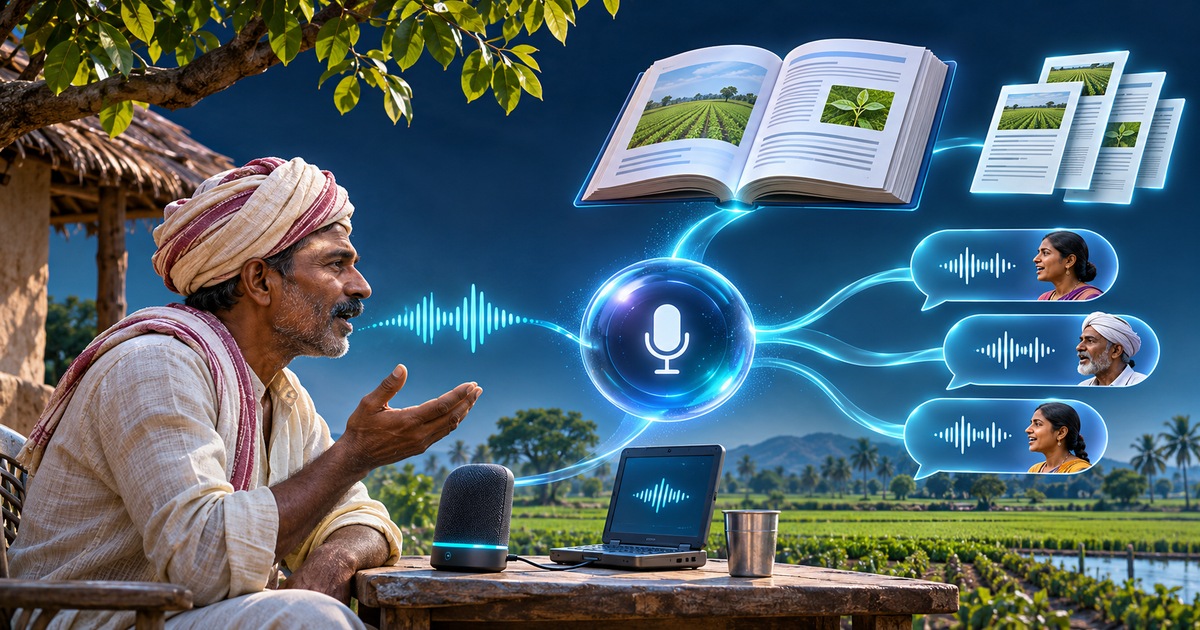
The November 25 farming example connects a spoken question to an English handbook. Its central engineering lesson is to check retrieved passages before judging response fluency.

The November 24 hackathon account combines local models with a separate trail algorithm. Its opening scenario illustrates an idea rather than a verified rescue.

The hackathon prototype uses head gestures for music and Gemma for accompaniment. Its demonstration is promising, but does not establish clinical accessibility outcomes.

Anthropic adds two beta agents around code review. Approval depends on repository policy, while token spending needs its own controls.

The setup combines automated misuse monitoring with provider-side zero data retention. It does not mean customer logs cease to exist.

Anthropic updates tool connectivity. Protocol support and activation for a particular plan remain separate requirements.

Release notes and the requirements page currently give different answers for some cloud routes.

Illuin’s models score predefined options. Confidence in an option does not establish that the underlying document is truthful.

Voice and chat conversations can supply suggested field values. Teams must decide deliberately when a person should confirm them.

The November 21 announcement bundles agents, skills, connectors and flows for a task or role. Teams still need to evaluate their own configuration.

An original analysis alongside the November 22 Python 0.4.0 release. Changing a request can take evaluation beyond an existing recording.

The repository collects skills, MCP servers, connectors and configurations. Easier discovery does not remove the need to examine each component’s maintenance, scope and operational access.

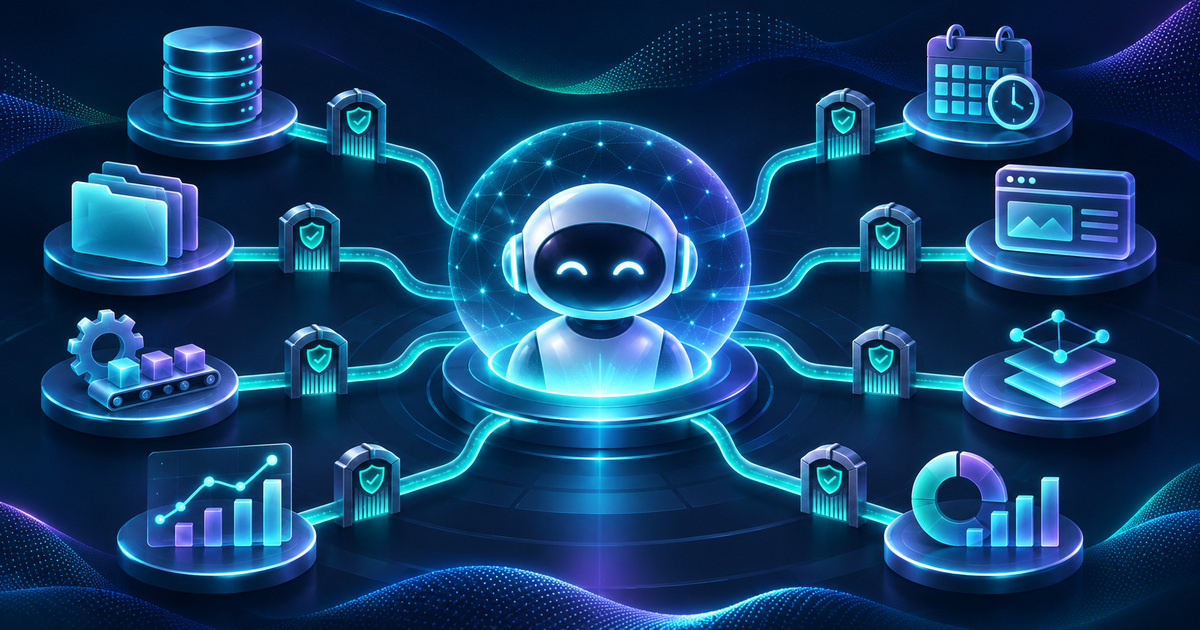
Public records can be discovered by AWS-authenticated users. A verified domain helps establish an agent publisher’s identity without certifying every output or granting operational permissions.

AWS expands search with five languages and country-aware retrieval. Its documentation also distinguishes a successful response with citations from successful retrieval of the underlying page content.

AWS adds an agent skill for extracting text and fields. Document language, field meaning and human-review rules remain separate engineering decisions.

Expanded workflows combine conversational creation, tools and validation. The documentation distinguishes repeatable code, acceptable output and an actually completed task.

GitHub adds Box, Buildkite, Calendly, ClickUp, Mixpanel, Supabase, Webflow and Wix in public preview. Organization policies and service permissions still determine scope.

The security-review preview is opt-in and consumes AI credits. Its scope must be distinguished from repository-history scanning.

A voice conversation can continue while another model works. Voice duration and backend execution need separate accounting.

Scoped permissions cover private reports and publication, providing a useful boundary when teams process AI-generated findings.

Google announced the feature on November 19. A separate workspace and app controls help supervision, while task completion still needs concrete verification.

The new configuration layer is available for Copilot Business and Enterprise. Inheritance and managed policies retain specific boundaries.

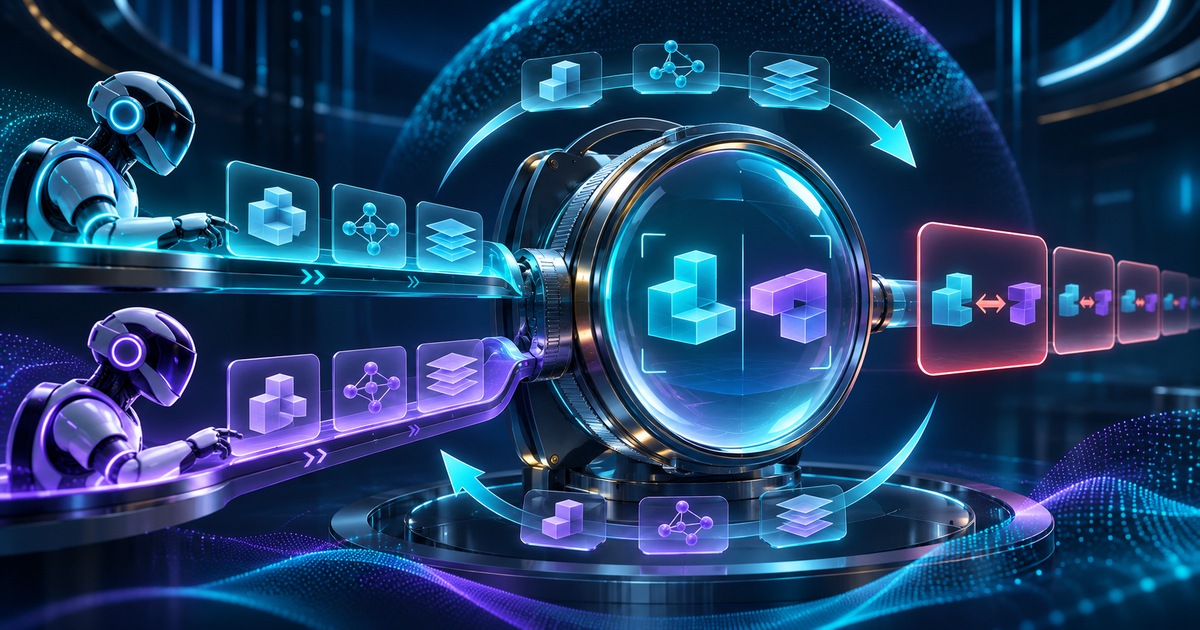
The November 17 public preview compares runs and preserves results. The actual scope of a test matters more than a single successful demonstration.

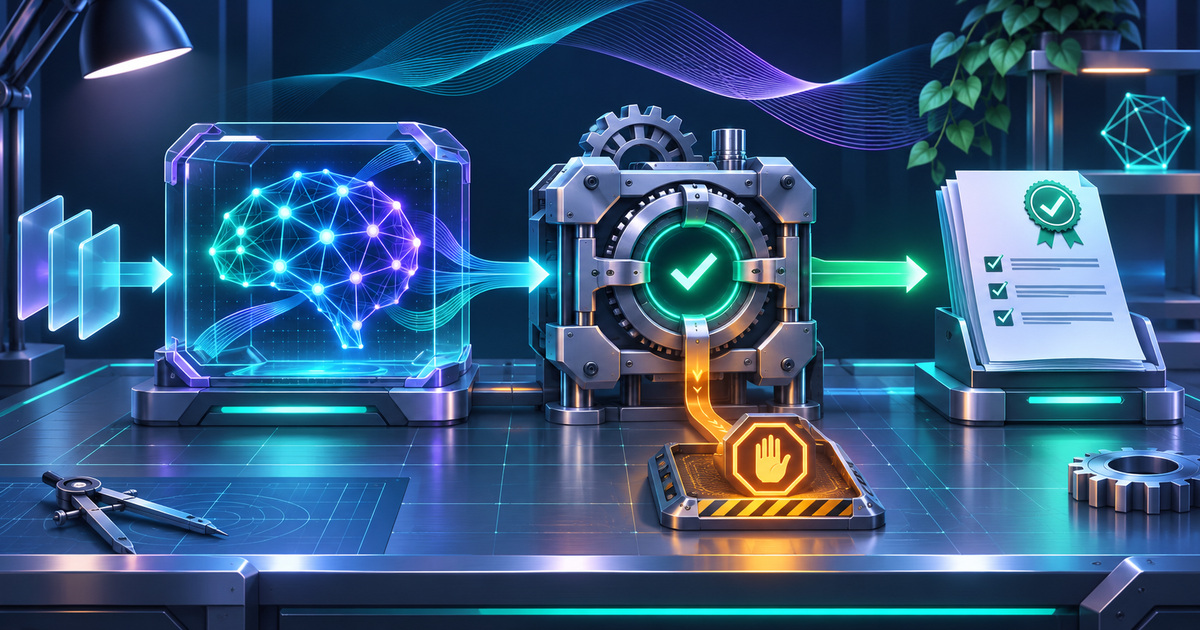
The November 19 technical article describes defaults and lifecycle hooks. A blocking check before execution is different from a notification afterward.

Tool Retrieval keeps names and descriptions visible while deferring parameters. A smaller context does not remove argument validation or authorization checks.

The company describes how task history can refine procedural instructions. The key issue is whether each proposed correction is grounded in evidence and checked before activation.

Ignite connects documents, shared workspaces and long-running tasks. Organizations still need to examine specific availability and control over actions.

The update lets iOS and Android users assign and redirect ongoing work. A spoken instruction remains different from a verified completed result.

Google Labs connects code with product signals in a new experiment. Access begins with a waitlist rather than universal availability.

The November 18 rollout is an access milestone following the earlier model announcement. Eligibility and simulation limits still matter.

Reson8 released a 0.5-billion-parameter model under Apache 2.0. Size, language coverage and errors in actual conversations need separate evaluation.

AWS announced generation, checking and labeling of datasets with human review. Automatic confidence and verified quality remain different concepts.
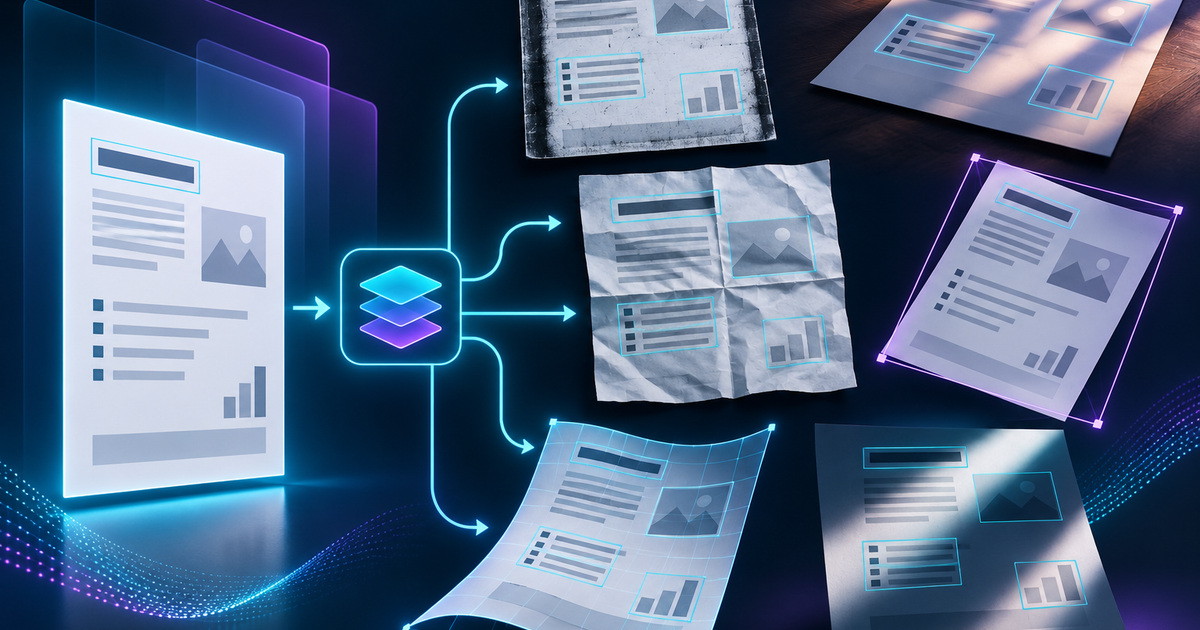
Nutrient published an open tool for diversifying document datasets. Synthetic defects support testing but do not establish quality on real photographs.


Google is starting a free rollout in six countries. Some advanced actions and extra channels are starting in the US.

Microsoft Research presented TokenEconomizer on November 16 as an external cost controller for coding agents. It learns from previous sessions in a repository rather than treating every subsequent task as if no working context had accumulated. The underlying paper is from October; the fresh development is the detailed engineering account.

A November 16 engineering report describes shared Hugging Face Buckets caches and ephemeral Jobs runners. This is distinct from the previously covered 1.0 release.

The November 15 release combines stream handling changes with LangSmith routing. We inspected the code and tests without running external model requests or benchmarks.

The November 12 update adds downloadable weights. An open licence and 17 billion active parameters do not remove deployment requirements.

The November 14 changes affect the software rather than model weights. Documentation separates the server E2E build from the local Mac path and describes specific limitations.

Hugging Face publishes a workflow for adapting a 3D model to footwear. We examine held-out objects, geometric metrics and why a small category-specific experiment is not a universal production guarantee.

The open-weight model transcribes recorded audio with optional instructions and vocabulary context. Its card lists seven languages, without Bulgarian, and distinguishes active parameters from the complete model size.

The experimental 3B and 8B models use addressable blocks and special delimiters. Benchmark robustness is learned behavior rather than an enforced security guarantee.

The 0.8-billion-parameter model targets tools and bounded tasks. Company benchmarks, language coverage and sensitive-use restrictions need careful interpretation.

The Local harness remains temporarily available, with removal announced for February 2027. The transition concerns agent execution, customizations and permission checks, rather than just model selection.

The fixes cover network requests, streaming memory, configuration previews and local-daemon identity. Affected ranges differ; the records are GHSA advisories with no known CVE identifiers.

The local tool emulates AWS APIs and is maintained through an agent workflow, Amazon says. A passing test does not establish correct IAM policies or identical behaviour across the cloud.

Google introduces Gemini Decision 1 for routing and scoring. Up to 1,000 questions can share input, but cannot see one another’s answers, and confidence is not a guarantee of correctness.

Full-duplex interaction targets more natural pauses and interruptions. Live 3 starts in English; platform status, pricing and published agent versions have separate conditions.

The platform connects AI agents to infrastructure, while ready and live remain different states. Documentation specifies limits, temporary free resources and deployment receipts.

The live catalog exceeded older clients' size limit. The patch raises the cap from 2 to 16 MiB; a loaded list, installed package and enabled plugin remain separate states.

The new presentation links the interactive tool to a Berlin exhibition. LinguaMeta is an older research resource; a language appearing on a map does not establish AI translation quality.

The launch provides currently free access to language and tabular models. Context limits, reasoning budgets and service terms need separate checks.

The November update includes persistent-work agents. Memory, tool connections and isolated sessions still need clearly defined authority and accountable oversight.

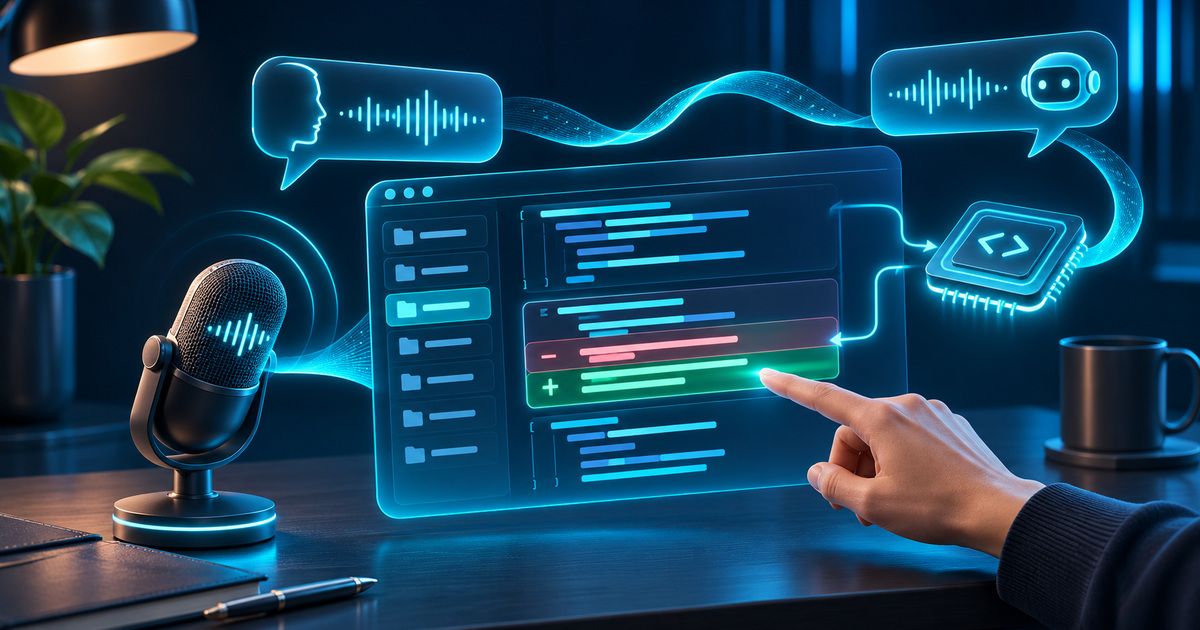
The voice interface delegates work to the selected coding model. Documentation distinguishes calls from dictation and sets account, microphone and daily-use requirements.

Auto Code targets coding agents. The documentation supports restrictions on models and providers, plus inspection of the route that actually served a request.

The platform connects scripts, shots and post-production. What is established about the presentation, and which capabilities remain manufacturer claims.
We distinguish news from analysis and possibilities from promises. We provide context and links to original sources.
About Super Intelligence ↗