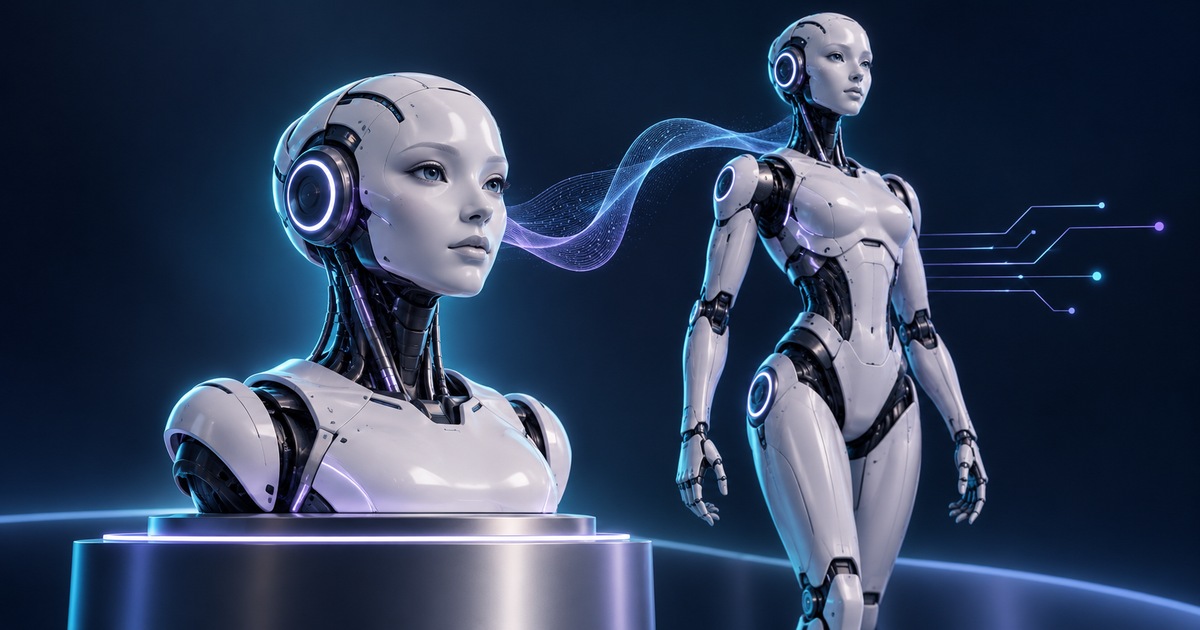
Realbotix announced its Echo line on October 26, 2026, opening reservations for tabletop and full-body conversational robots. It plans initial deliveries in the second half of 2027. This is a product introduction with a future schedule, rather than confirmation that customers are already operating the new series.
Reservation, price and delivery are distinct
Announced hardware prices are $11,950 for the tabletop model and $59,950 for the full-body version. The company lists a $199 deposit and a mandatory monthly subscription starting at $19.99. The deposit is therefore not the purchase price, and the hardware price does not necessarily cover every subsequent cost.
The reviewed product page limits delivery to the United States and describes its timetable as an estimate rather than a guarantee. It also sets out later payments before production and shipment. For readers outside that market, the announcement does not establish local delivery availability. We have not placed a reservation or inspected an individual order.
Local processing has specific boundaries
Realbotix describes its optional Vinci system as providing local conversational and vision functions. The product page offers it separately for $24,950. It should not be assumed to be included in Echo's base price.
The company says conversation history, memory and face templates remain local, while explaining that configurations using cloud AI, speech or avatar services may send necessary content to those providers. Consequently, the word local is insufficient to conclude that no data leaves the device under every configuration.
A conversational interface is not an outcome measurement
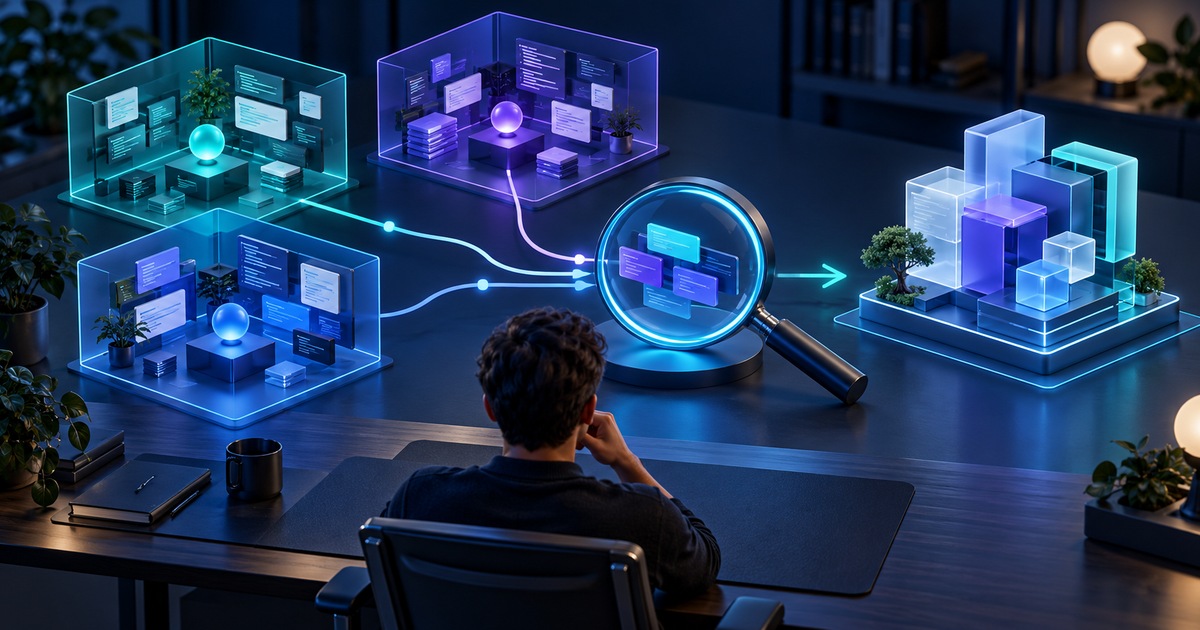
A humanlike appearance can make a demonstration easier to understand, but appearance does not measure usefulness. Consider our editorial example of an information point inside a building. A robot might suggest a route, yet the actual task ends only when a visitor receives accurate, accessible information. If the question is not understood, there should be an obvious way to reach a person.
For such a pilot, we would define permitted questions, refusal conditions and ways to disable cameras or microphones according to the available configuration. We would examine behavior during connectivity loss and distinguish local components from external services. This is a proposed future evaluation, not a report that we have tested Echo or established that the product already provides all these controls.
It would also be useful to distinguish a successful conversation from a successfully completed service. A friendly response can still contain the wrong location or fail to recognize that a visitor needs a human. Evaluation should preserve those failures instead of counting every spoken reply as success. This is our assessment framework, rather than a measurement of the announced product.
We are not presenting conversational or vision claims as proven medical benefit, reliable emotion recognition or a replacement for human care. The announcement documents manufacturer plans, not an independent experiment. The product page itself notes that some imagery is AI-rendered and final specifications may change. The next meaningful check will concern what is actually delivered and the conditions under which it operates.
*AI illustration: a conceptual editorial image, not a documentary photograph or an actual product screen.*
*Editorial verification: 2026-10-27T07:47:49.830830+00:00.*