On 13 October, Google announced global availability of Gemini 4 Argon through its developer and enterprise API and specified consumer channels. This is an expansion of access, not an announcement that every free account receives the model. Google positions Argon for complex professional work; SIExpo has not independently measured its quality.
What the model accepts
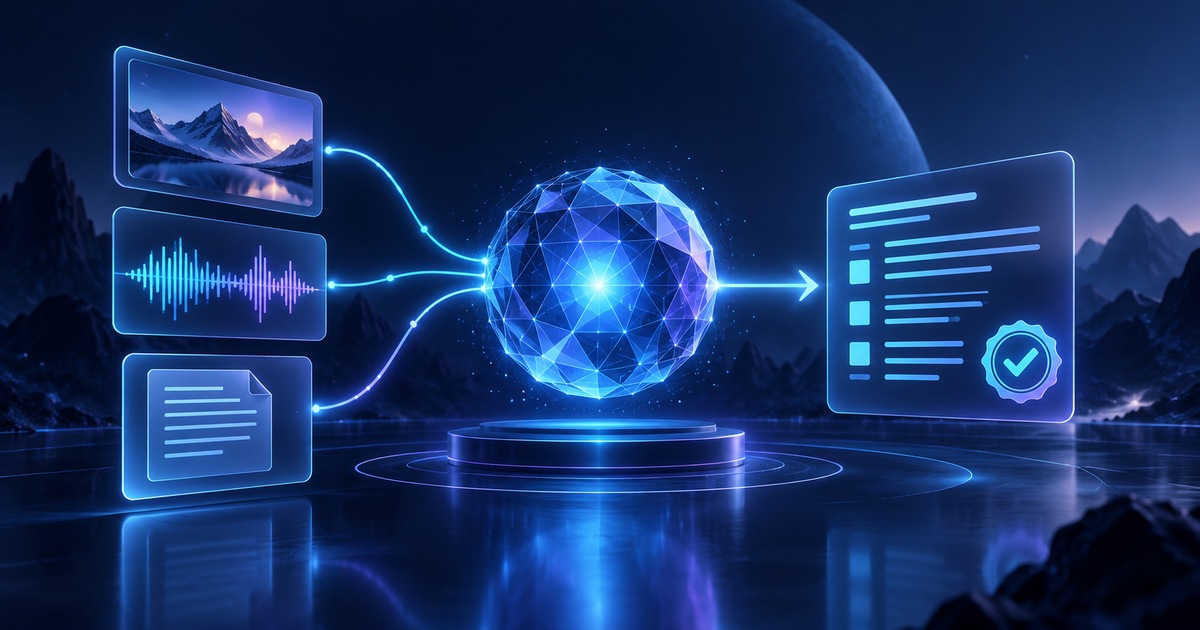
The model card describes text, images, audio and video inputs, text output and a combined input-output context up to one million tokens. It lists possible inaccuracies, slowness and timeouts. The knowledge cutoff is March 2026, with some domains potentially less current. Capacity does not establish whether a particular answer is up to date.
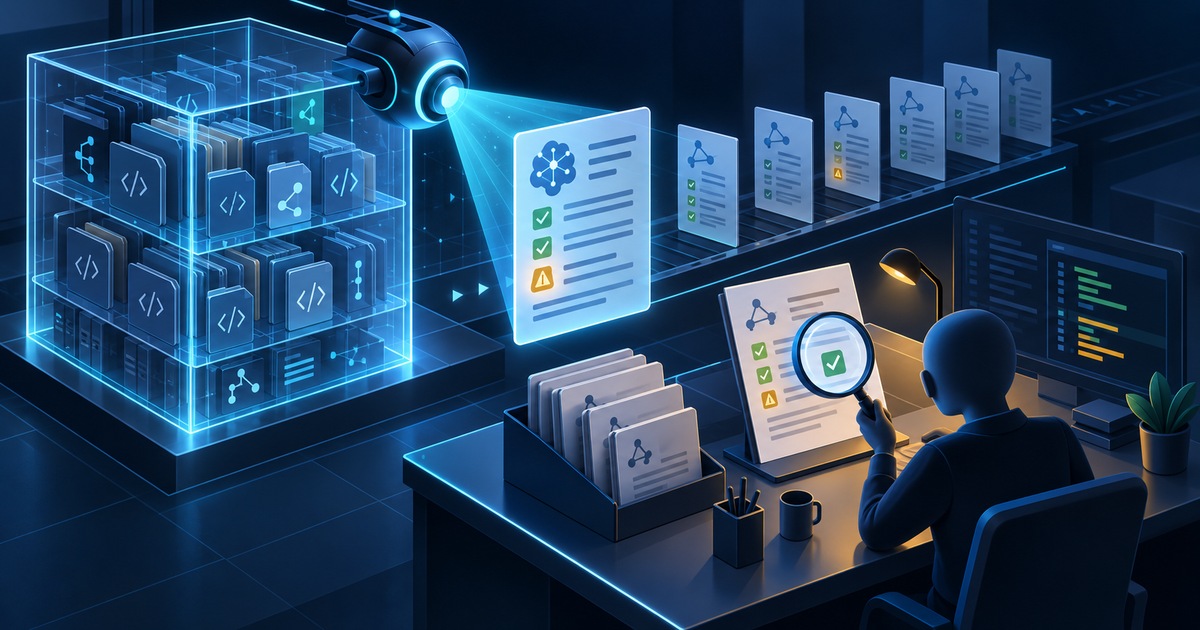
Our practical interpretation is that accepting a large amount of information and using it correctly require separate evaluation. A document archive may contain contradictory versions. A useful answer would identify the version it relies on and flag unconfirmed details. Merely fitting the archive into one context window does not solve that problem.
What access and pricing establish
The API documentation lists introductory prices through 30 November: $2 per million input tokens and $10 per million output tokens, including thinking. From 1 December, it lists $4 and $20 respectively. These are published API rates at verification, not a promise of identical pricing in every application or integration.
There is also a plan ambiguity. The announcement names Pro and Ultra for the Gemini app and AI Mode, while the API page says Argon is unavailable on the Free tier or Google AI Pro. These pages concern different channels, but do not provide sufficient grounds here to promise a particular Pro subscriber access. Users need to check their specific channel and current terms.
Evaluating professional usefulness
We propose a bounded task with a known correct result: several versions of a technical requirement with a clearly documented change. The assessment would check whether the model identifies the current version, distinguishes evidence from assumptions and retains the requirement during a later revision. This is our evaluation example, not a test we performed with Argon.
The next check concerns the full workflow. If an answer drives a software change, completion should be established through appropriate verification, rather than the agent's confident prose. Unfinished actions after an interruption also need to be visible. Greater model capacity does not remove responsibility for permissions and the final outcome.
Reading safety claims
The card says certain biological, cyber and loss-of-control risk thresholds cannot be ruled out and describes deployed safeguards. This is Google's own assessment. We do not turn it into evidence that harm has occurred or an independently established safety guarantee.
The news is an announced access expansion accompanied by published documentation. Adoption decisions need to account for the channel, current cost, verifiability and failure handling. A sophisticated demonstration starts an evaluation; a useful service needs repeatable results under its actual operating conditions.
A record of model and workflow versions would make that evaluation more useful over time. When output quality changes, the team could check whether the model, available tools or input documents changed. Such an audit trail is our suggested operational practice, not a claim about a feature supplied in every Argon channel.
Sources were read on 14 October 2026 between 09:25 and 09:35 Europe/Sofia. Assessments and proposed checks are editorial analysis; SIExpo has not independently tested the product. The cover is an AI illustration, not a photograph of an actual event.