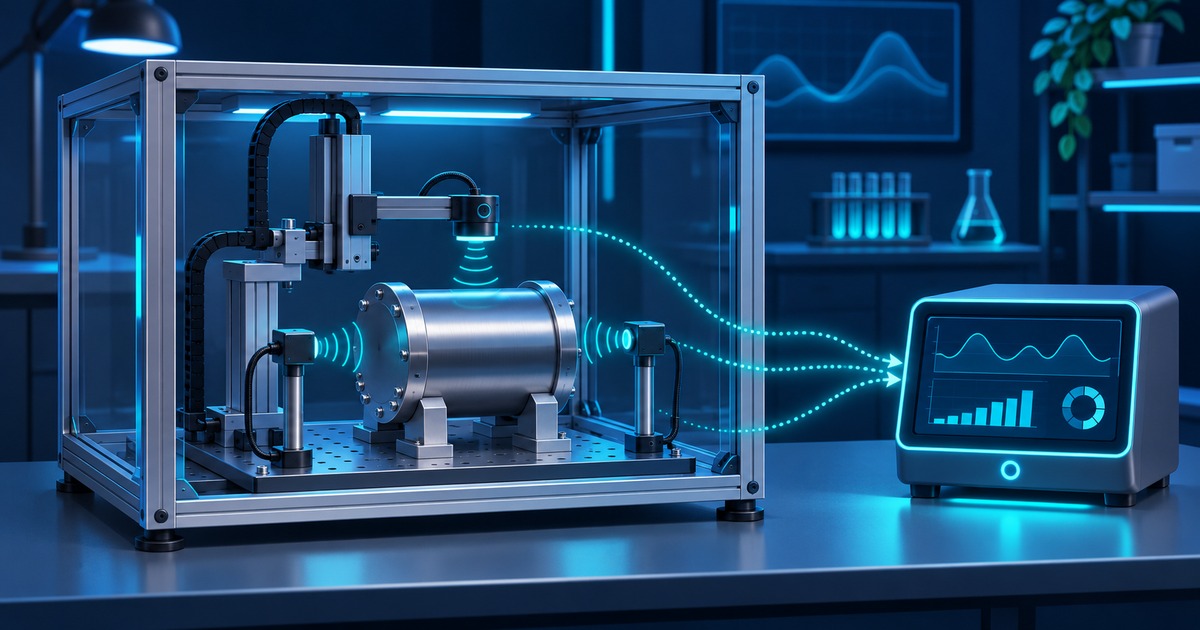
In a video published on October 24, 2026, Kun Dániel showed a tabletop robot that uses Claude in an experiment with a mechanical lock. The maker assembled the device around a microcontroller and wrote the control code. In the demonstration, the test mechanism opens. Kaldata covered the project on November 4. This was an earlier prototype by an independent developer, rather than a new Anthropic feature released on that date.
What the model receives
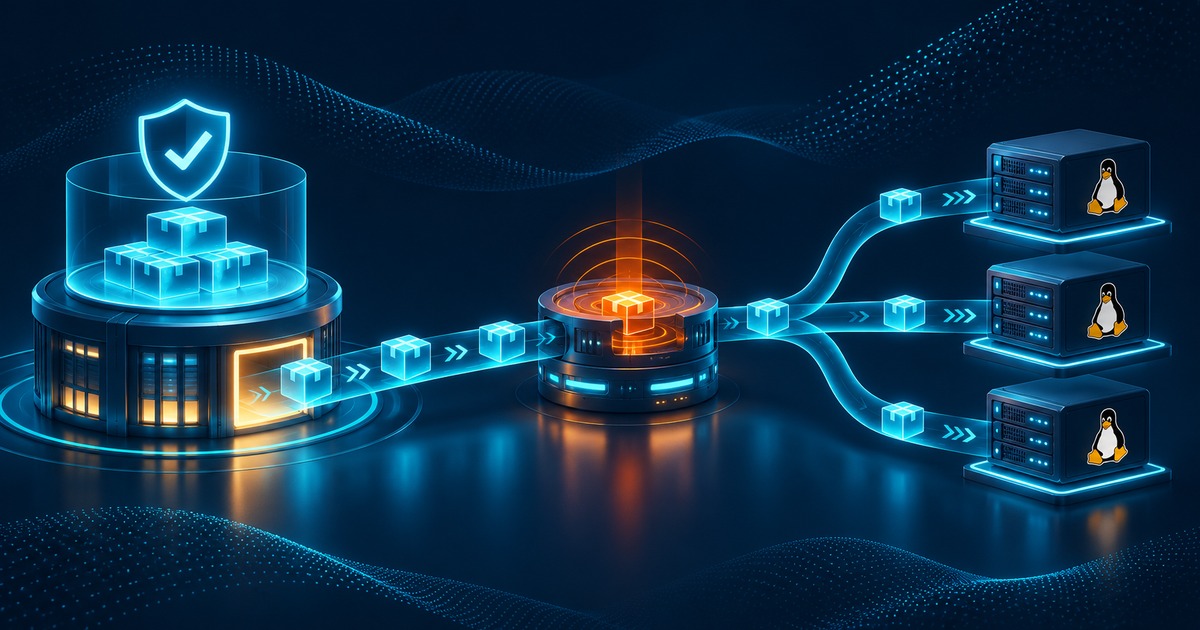
Claude does not perceive the mechanism directly. Sensors record a physical response and electronics convert the measurements into data that can be sent to the model. According to the project description, a local ESP32-C3 Mini board controls the device and communicates over Wi-Fi. The model helps decide what to do next, while local code and motors execute the movement. The mechanism’s response to that movement becomes input for the next decision.
This is a feedback control loop. A machine following a prerecorded sequence has its next action determined before any measurement. In a feedback system, a measurement can change the decision. A language model can interpret structured data and context, while measurement accuracy and motor control remain the responsibility of the hardware and local software.
What can be inferred from the video
The recording shows one successful scenario with the maker’s specific configuration. It does not provide comparisons across different mechanisms, repeated trial outcomes, failure rates or results under a network interruption. The broad promise in the video title exceeds what the demonstration establishes. The maker describes continued refinement and a plan to publish project materials. A plan does not establish that other teams can already use the code and documentation.
The video does not compare the prototype with a conventional controller handling the same signals without a language model. Such a test could help identify when Claude contributes and when a local procedure is faster or more predictable. The comparison would need equivalent sensors, hardware and criteria, with a predefined set of trials.
Why the boundary between software and machinery matters
The same principle applies to benign tasks such as placing a fragile object carefully. A sensor might detect that contact occurred earlier than expected, allowing a supervisory controller to decide whether the task should continue. In deployment, the local controller should enforce permitted limits on force, movement and time regardless of the model’s response. A late, invalid or missing response can trigger a stop while an operator checks what happened.
The experiment illustrates how a general-purpose language model can become part of a physical system through a particular measurement and control chain. Establishing its contribution beyond one video would require repeatable tests, comparison with a control baseline and a record of the conditions under which the system stops or fails.