Liquid AI introduced RIPL on October 22, 2026, as an enterprise engine for LFM models on NVIDIA GPUs. It claims complete responses below 50 milliseconds in described workloads, rather than for arbitrary requests.
What is actually compared
It compares LFM2.5-1.2B/RIPL against Qwen3.5-0.8B/vLLM: both model and engine change. Access is through enterprise contact. Consequently, the comparison does not isolate RIPL’s contribution; we claim neither independent reproduction nor a public engine download.
A short answer and a completed task
Our editorial assessment is that this proposal first deserves attention where the required output is tightly bounded. In our hypothetical example, a service chooses one of several categories for an incoming request. Time to the final label directly affects the next action. For a lengthy explanation intended for a person, however, a small number without input and output lengths leaves too many questions unresolved.
We propose beginning acceptance testing with a task contract: what constitutes valid output, how many errors are tolerable, and when a late correct answer has become useless. This prevents quality from disappearing behind speed. A fast incorrect category could send a request into the wrong workflow and increase total handling time, even if inference itself looks impressive.
Reading latency figures
For general technical context, the monitoring chapter in Google’s SRE book recommends considering latency, traffic, errors and saturation. It explains why a distribution of response times is more informative than a single average. This is an older methodological source, rather than corroboration of Liquid AI’s measurements or a new announcement about the engine.
For a future comparison, we would separately record queueing, execution and the complete path through the application. We would also report p95: the boundary below which 95 percent of recorded times fall. Different tails of slow requests can produce very different service experiences despite identical averages. It also matters which requests were excluded because they failed or were cancelled.
A useful pilot
We propose running the same input set under light load, a sudden burst and sustained high utilization. Hardware, lengths and batching rules should remain documented. If both model and engine change, the result should be described as a comparison of complete systems. Such an experiment can be useful without claiming a causal explanation that its design has not isolated.
A separate test should examine behavior once the deadline expires: fallback processing, refusal or human handoff, according to the application. This is our proposed plan, rather than a measured RIPL outcome. SIExpo has neither used a paid service nor conducted its own GPU test. The confirmed event is the engine’s introduction and the verifiable content of the company’s claim; practical value depends on a reproducible evaluation of the particular task.
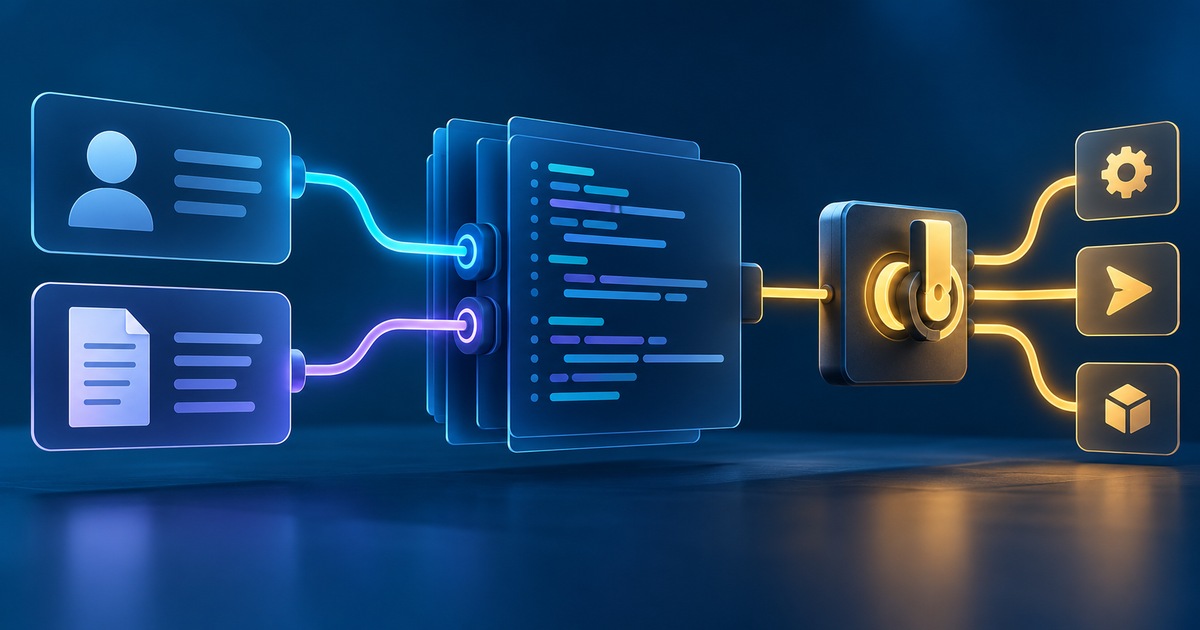
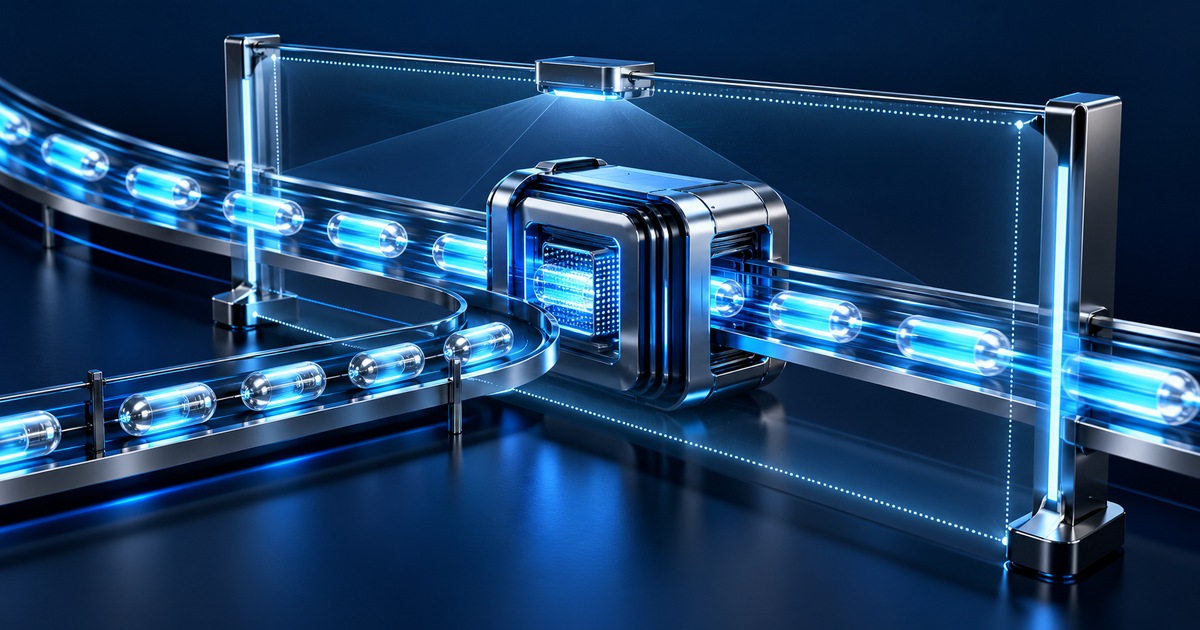
*Cover: conceptual AI illustration, not a documentary photograph.*
*Editorial verification: 2026-10-24T16:31:42.890381+00:00.*