On November 2, CrowdStrike and Dell Technologies announced a joint security offering for Dell AI Factory with NVIDIA at Fal.Con Europe in Barcelona. Customers can combine Dell's AI infrastructure and services with components of the Falcon platform. The announcement builds on a joint architecture the vendors had previously described. It emphasizes joint procurement and protection while agents are running.
What each layer observes
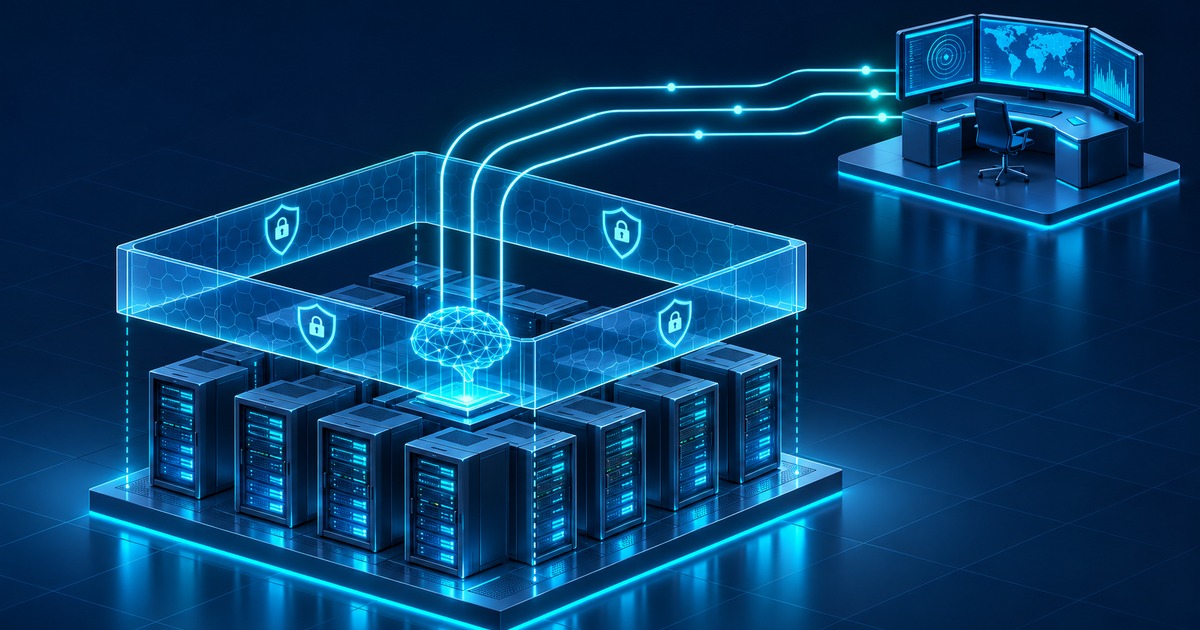
CrowdStrike identifies three sets of capabilities. Falcon Guardian focuses on agents and applications, including attempts to mislead agents through instructions in their input and exposure of sensitive data. Falcon Cloud Security monitors configuration, vulnerabilities and workloads, including containers and Kubernetes. Falcon Next-Gen SIEM brings together signals for investigation and response. Dell also describes an expansion of its managed detection and response service.
In practice, these layers answer different questions. When an agent calls an external tool, runtime controls determine whether the action is allowed. Infrastructure monitoring can help identify where the request started and where the agent is running. Centralized logs can connect those events with other activity. The signals available for any specific installation depend on the deployment.
Where OpenShell fits
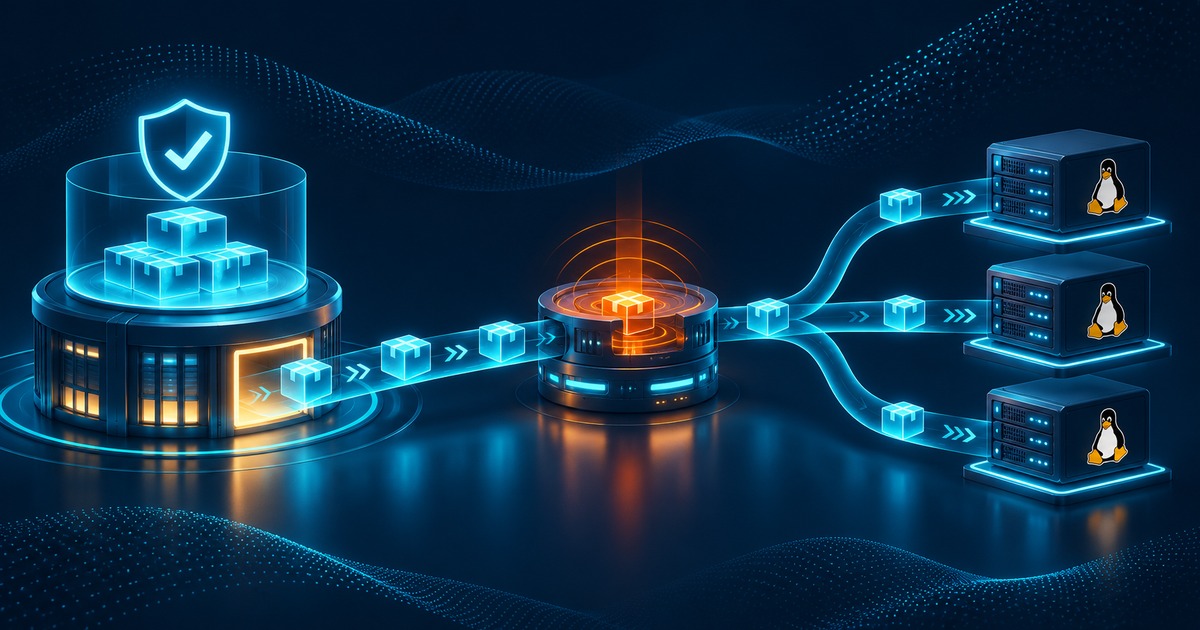
The announcement says NVIDIA OpenShell is already integrated. NVIDIA describes OpenShell as an open-source runtime that uses sandboxed processes and declarative policies for access to files, networks and other resources. For example, an internal documentation agent can receive read access to a specified directory and network access only to approved destinations. A policy of this kind narrows the possible actions when the agent encounters misleading input or makes a bad choice.
NVIDIA Sentry and BlueField-4 accelerators are described as planned additions. The announcement does not specify when every customer will be able to use them through this integration. The future hardware component should be evaluated separately from the announced availability of OpenShell.
What to verify in a deployment
Teams can start with a representative agent processing test data. Decide which actions should be allowed, then examine how a denied request appears, who gets the alert and whether there is enough context to reconstruct what happened. A useful test traces one permitted operation and one blocked network call through the available logs. Record which signals come from the runtime and which arrive from other systems.
The partners describe a product integration and its capabilities. Their announcement does not provide an independent test measuring detection for every type of attack. The value to a particular operator will depend on access rules, monitoring coverage and whether response teams can use the signals in a real incident.