

AI toolsAI-assisted news digest
LingGuang 2.0 moves toward persistent tasks
Ant Group announces memory and scheduling in China. Traceable task status and authorization boundaries remain central.
Search by Synapse
A bilingual news publication covering artificial intelligence.
Free news, analysis and guides in Bulgarian and English. Published by FalcoSoft ITS.
361–420 of 542 stories · Page 7 of 10
Ant Group announces memory and scheduling in China. Traceable task status and authorization boundaries remain central.

The Swiss models broaden deployment choices. Licensing, support, and actual data flows need separate examination.

The preview has specific hardware limits. Developers must check API availability and behavior when support is missing.

The voice model offers inspectable intermediate output. That checkpoint does not prove an external operation completed correctly.

The research prototype operates in the publisher’s private environment. Expert responsibility stays human, and improved quality or time savings still require measurement.

The October 27 update lists Beijing and Singapore. A large token context does not remove audio-history limits or the need to verify user intent.

Announced CPU and GPU availability is separate from the multi-gigawatt expansion. Benefits for agent applications need assessment across the entire workflow.
The family offers text, vision and audio variants. Its model cards clarify the deployment conditions and why agentic coding remains outside the text model’s recommendations.

DeepMind starts with trusted testers. Sound and live editing broaden the approach, while object permanence and physical accuracy remain important limitations.

A new study uses recommender-system design. No LLM calls during selection does not mean a model-free assistant or universal reliability.

The company connects agents and workflows. Funding, customer metrics and human authorization have different meanings.

ELYZA Robotics has operated since October 1. The announced ¥30 billion and over 1,000 robots are future targets tied to models, integration and testing environments.
The new technical account connects compiler work and vLLM. Public code is not sufficient for an arbitrary installation, and measurements concern a specific configuration.

The portfolio starts with selected early-access customers. Engineering tools, oversight and the limits of reported metrics remain important.
The public transport software and OSPA address different tasks. Available code, forthcoming components and specification status are kept distinct.

The line includes tabletop and full-body robots. Deposits, hardware prices, subscriptions and optional functions need to be distinguished.

The rebranding retains announced workspaces. Application code, agent subscriptions and final integration have different conditions.

The preliminary filing is public, but price and share count remain blank. A Nasdaq application does not mean trading has started.

The model expands options for frequent professional tasks. Documentation separates base rates, long context and evaluation limits.
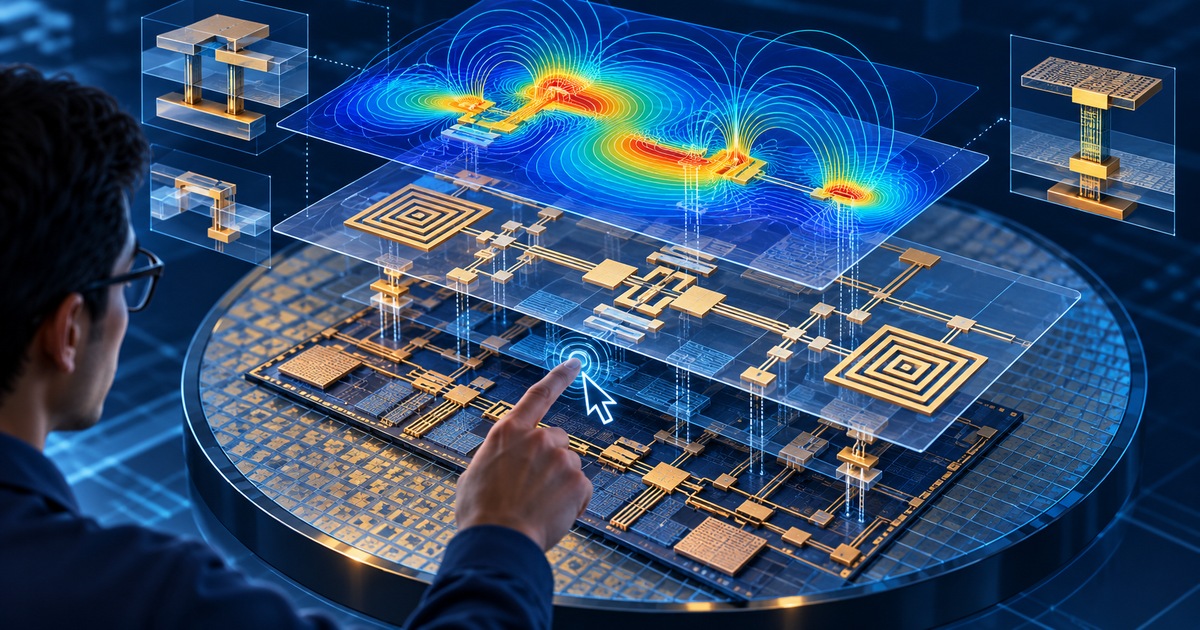
The preprint describes work through professional EDA tools. Results are simulated, with human verification and integration remaining part of the process.
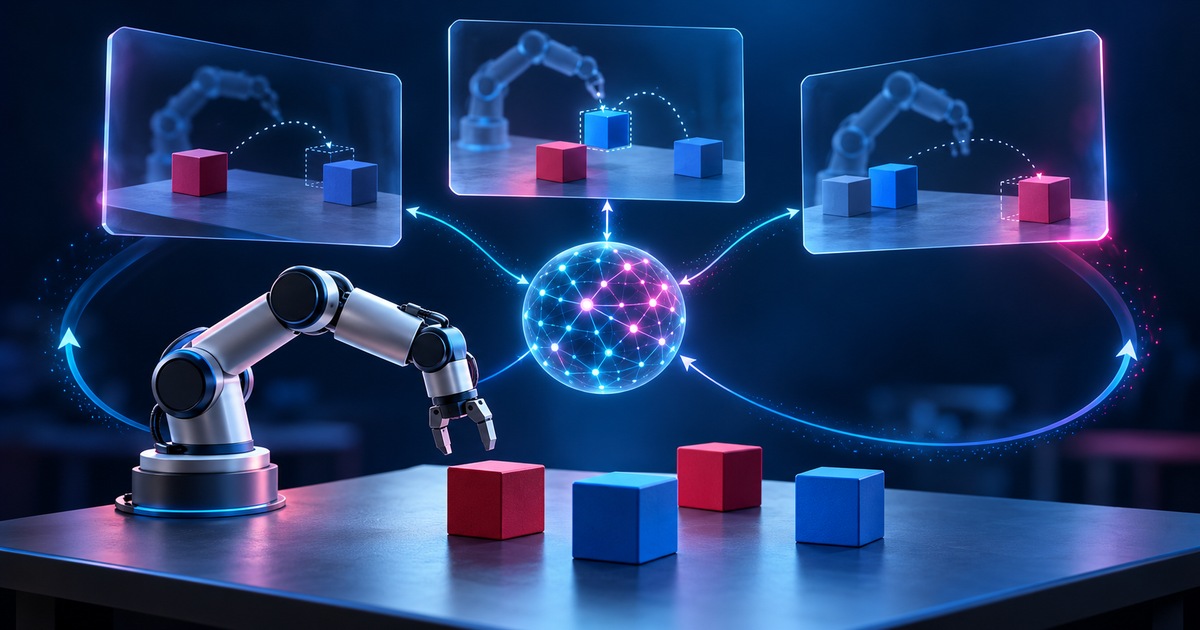
The model combines a reasoner and a video generator. Public materials describe research results with explicit limits on real-robot tasks.

The expansion follows work in Georgia. The new operations are planned, while a cumulative tote count alone does not establish productivity or cost.

The suite connects data and actions with rules and human control. Practical value depends on the integration and authorization checks.

The new analysis uses historical decisions and released data. Its quality-and-cost finding remains specific to the tested tasks and configurations.

Organizations gain a shared policy and budget layer. Supported routes and reports need to be distinguished from future integrations.

The centre collects physical experience across48 training cells. Opening the infrastructure and proving transferable skills are distinct steps.

The study covers123 open libraries and publishes checkable artifacts. Precise assumptions determine which properties are established.

The technical preview links saved decisions with new suggestions. Source code is promised for later, while reliability requires evaluation.

The model has33 billion parameters and a stated long context. Public weights enable independent task and deployment evaluation.

A new study examines when changing a model helps or hurts. A benefit in one test setting does not automatically transfer to the complete system.

A new technical explanation examines the choice between compiled alternatives. Output validation needs specific data, settings and a threshold.

Course preparation, training and robot evaluation have different success criteria. The new guide shows how those stages connect.

The new analyses separate pursuit of an objective from authority to act. Evaluation conditions limit conclusions about real deployment.
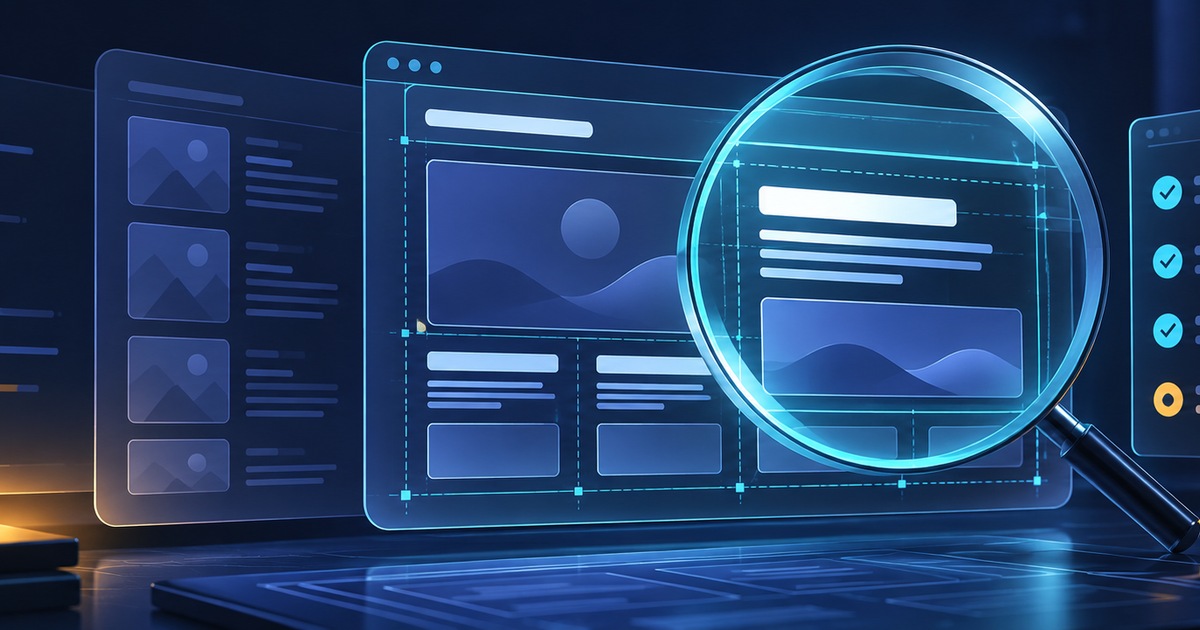
The skill steers an agent toward design review. The open package, Computer access terms and accessibility evaluation are separate questions.

The research resource requires careful comparison of experiments. Acquisition and sustained retention are different outcomes.

The update simplifies filling saved details. Our analysis treats storage, authorization and action accountability separately.

The early research runtime focuses on waiting. Its memory figure has specific benchmark conditions.

The account requires careful reading of its dates. Our analysis separates agent permissions from infrastructure access.

Public resources enable technical assessment. Scene consistency and practical interaction need separate measurements.
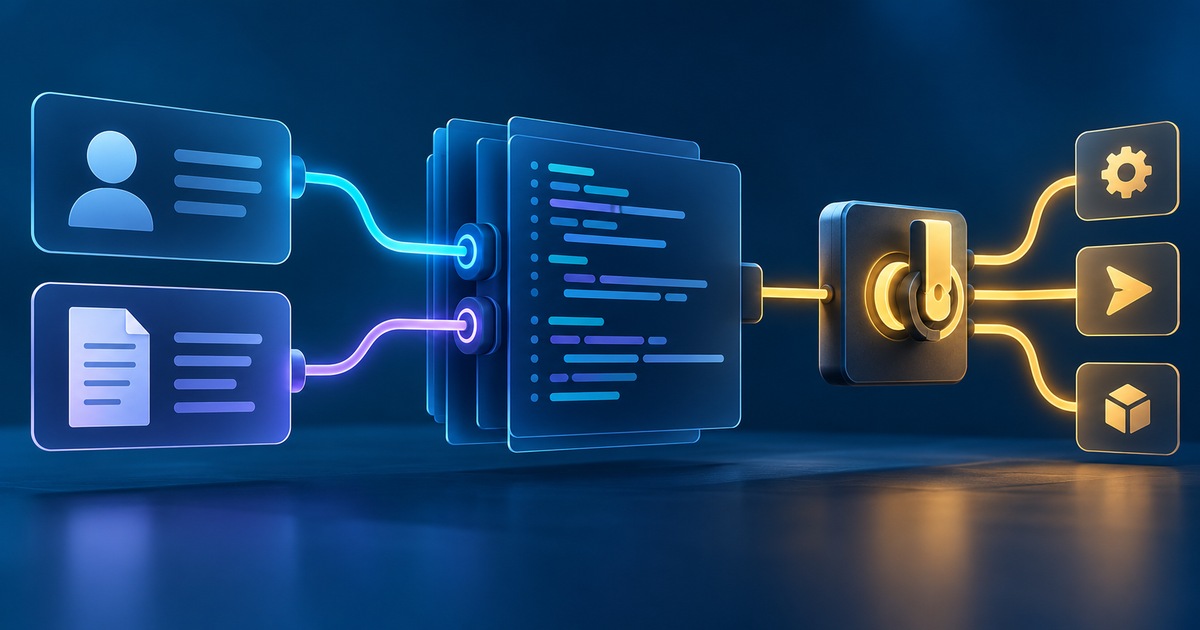
Version 1.21.0 adds explicit request parameters. They do not replace application permission checks.

The company result concerns specific workloads. The comparison changes both model and execution engine.
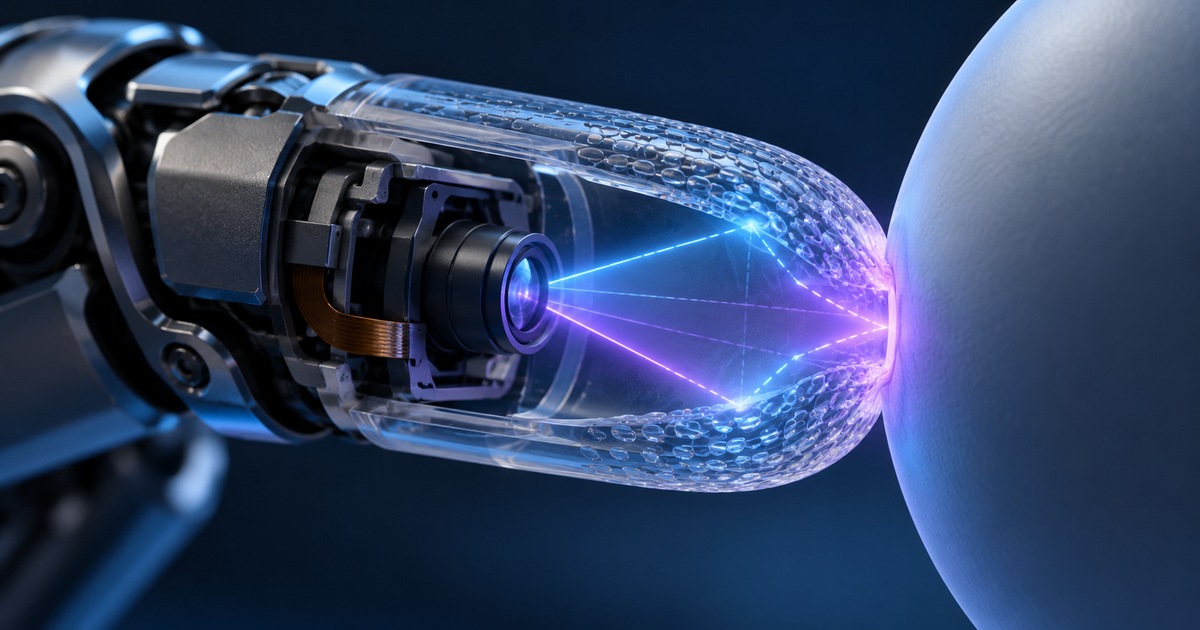
The study evaluates combined observations with known objects. Its result remains bounded by the reported conditions.

The fourth release focuses on environmental state. The research resource carries a noncommercial license.

The public repository is a material follow-up to API access. Self-hosting requires evaluation of resources and usage rights.
Hugging Face publishes results and scripts for bounded tests. The current dataset card requires checking versions and output-validation details.

The local project extends cross-room control and undo. Published failures show why the surrounding application must check actual outcomes.

The research project separates spatial state from generated imagery. Its demonstrations and published limitations do not establish readiness for real robots.

Ai2 presents an interface for evidence-grounded proposal revision. Its small study measures literature grounding, rather than future scientific breakthroughs.

Moonshot and Vercel describe public access to the new model. Subscription rights, context limits and future self-hosting require separate checks.

New industry-supported research combines adoption evidence and modelled economic potential. We explain why a forecast differs from measured results in one business.

The research release separates pretraining compute from total project cost and exposes evaluation limits. Small size does not replace task-specific validation.

Public files enable local geometry-refinement experiments. The input mesh, scale, licence and limits of hardware validation remain essential.

The beta plan starts at $7 a week after a free first week. We distinguish model catalogues, actual inference, robotic commands and a controlled pilot.
NVIDIA's current timetable points to December. We separate the planned capabilities and current specifications from the checks needed for a real local AI pilot.

The partners describe WebMCP across a domain network. Experimental browser access, buyer permissions and the final purchase decision remain separate boundaries.
Microsoft and Hugging Face report more consistently successful tasks but fewer solved at least once. Code and benchmark results do not establish reliability for real customers.

NVIDIA announces an OpenUSD asset library. Profiles, versions, physical properties and licensing determine which checks a particular asset can support.
Ai2 releases annual embeddings and a browser Explorer. The data is not a live map; historical coverage, licensing and local validation remain essential.

Open weights enable evaluation of a specific version. Context, quantization, resources and agent permissions need separate checks.

The €75,000 campaign is scheduled for 27 October. We explain the working monitoring foundation, why physical ISP and mobile observation points matter, and which intelligence features remain on the roadmap.
We distinguish news from analysis and possibilities from promises. We provide context and links to original sources.
About Super Intelligence ↗