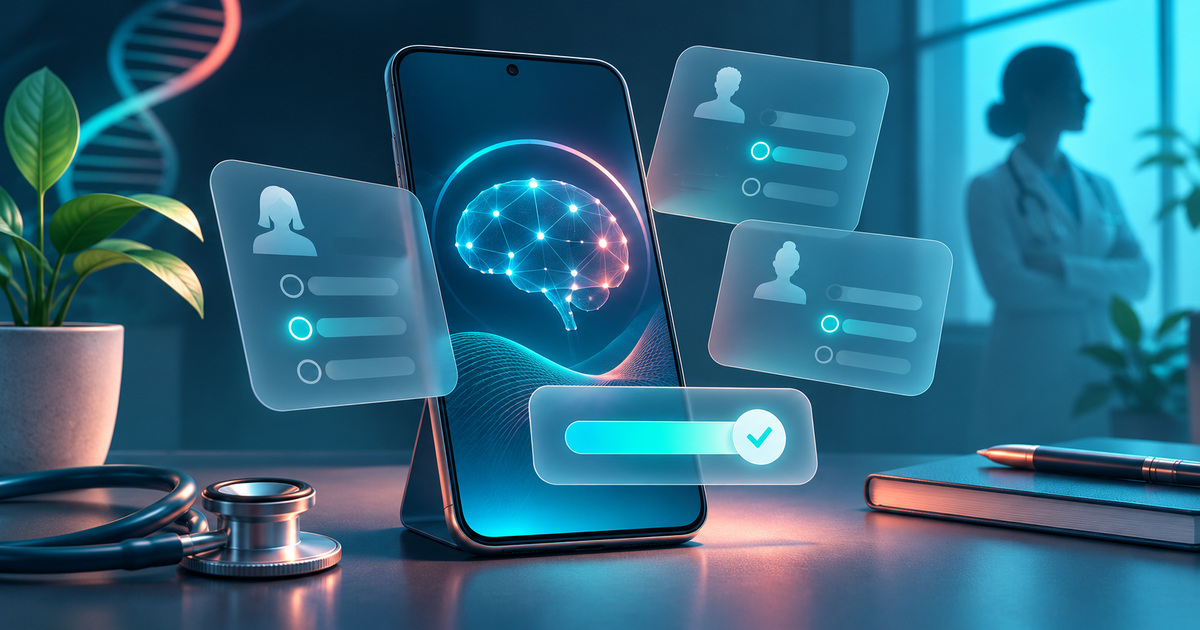
Apple launches a health AI usage study, with recruitment rather than clinical results
The Apple and OpenEvidence project will study trust and comprehension. Access to a research app does not establish diagnostic accuracy or treatment benefit.
Search by Synapse
A bilingual news publication covering artificial intelligence.
Free news, analysis and guides in Bulgarian and English. Published by FalcoSoft ITS.
61–120 of 160 stories · Page 2 of 3

The Apple and OpenEvidence project will study trust and comprehension. Access to a research app does not establish diagnostic accuracy or treatment benefit.

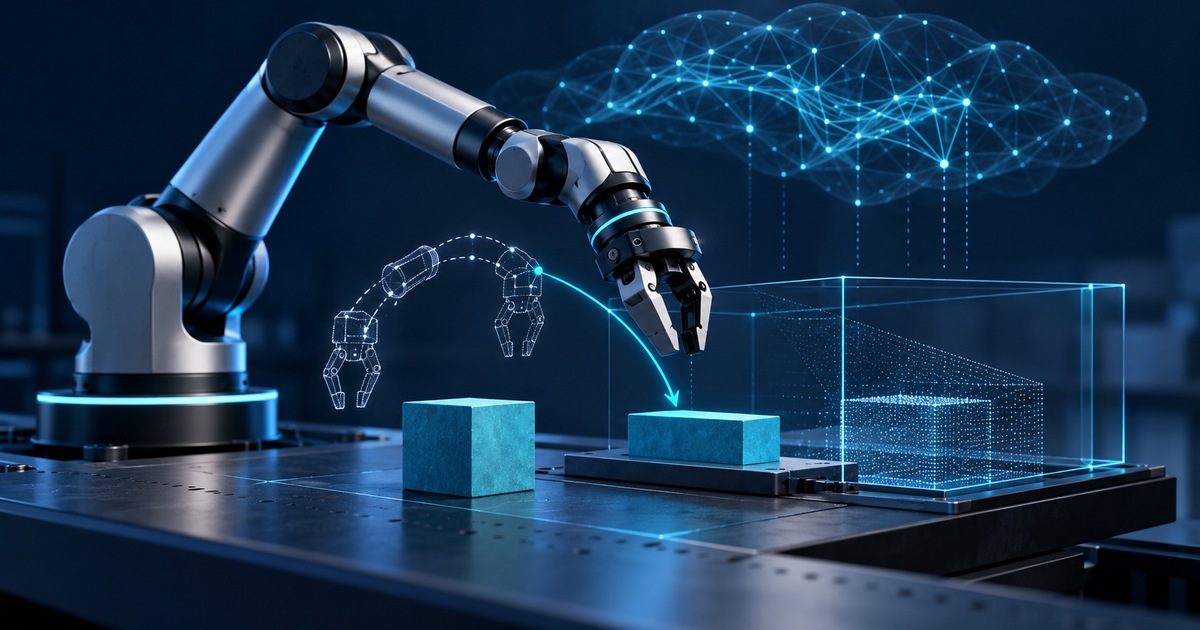
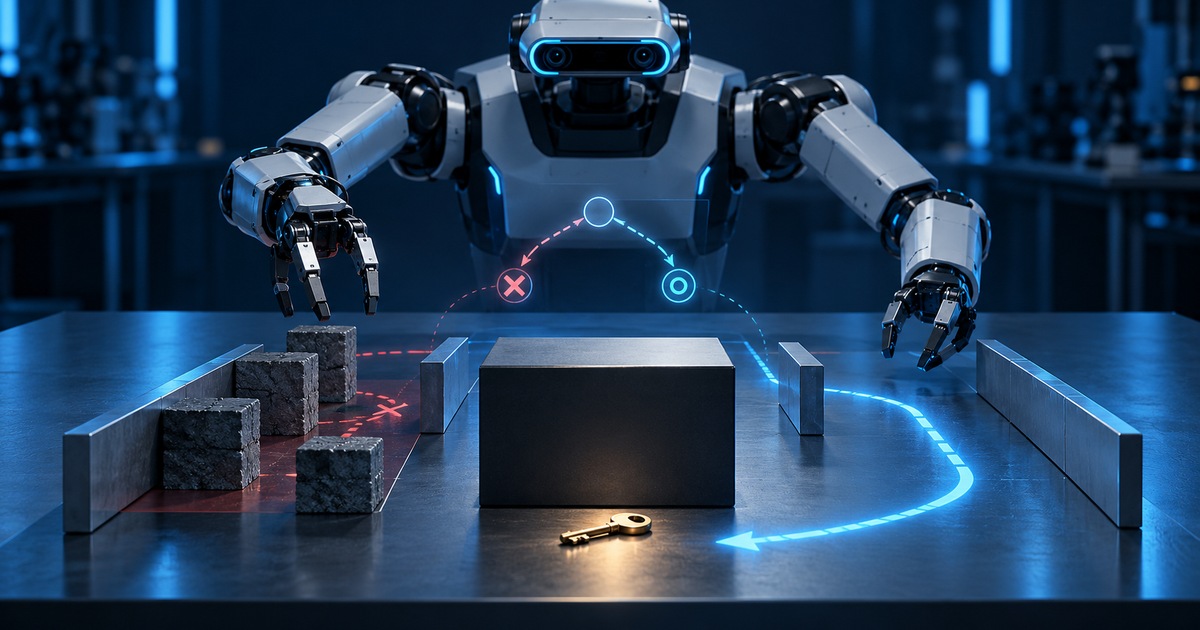
The November 12 preprint separates program development from execution. Its 221 successful trials out of 240 are author-reported results in a specific setup, not a universal robotics guarantee.

The November 15 account concerns an October 6 preprint. Its mathematical construction has explicit assumptions and open questions; this is neither an experimental discovery nor a final resolution of fundamental physics.
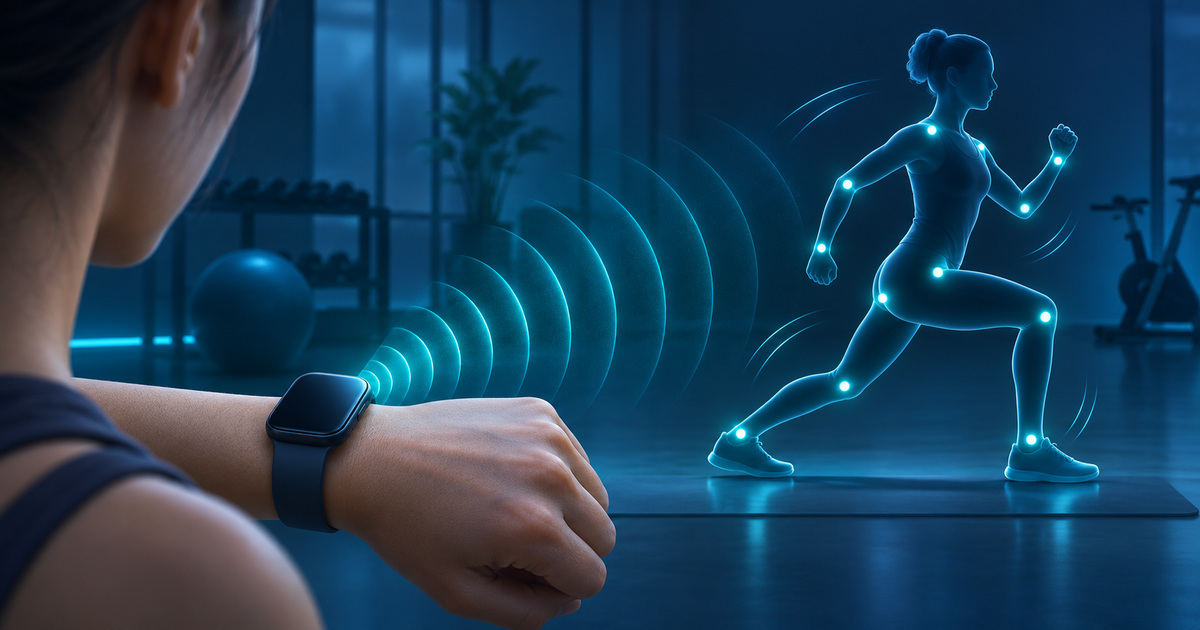
Cornell’s November 11 report describes sound-based sensing in small participant studies. It is research, not a feature now available on every watch.

Kaldata highlighted the new mathematical agent. Its primary paper reports strong formal-proof performance, while leaving important boundaries between benchmark success and general mathematical problem solving.

Ai2 presented the evaluation resource on November 13, building on a September paper. It examines the gap between a requested method and an intended goal, using a mixture of forum questions and generated examples.

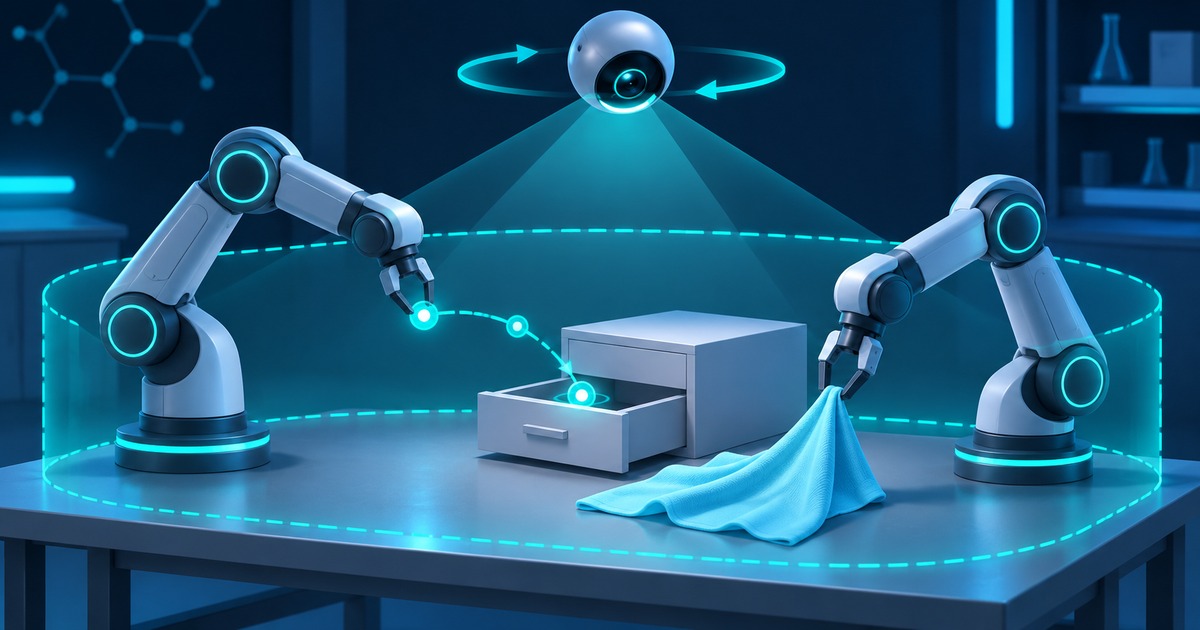
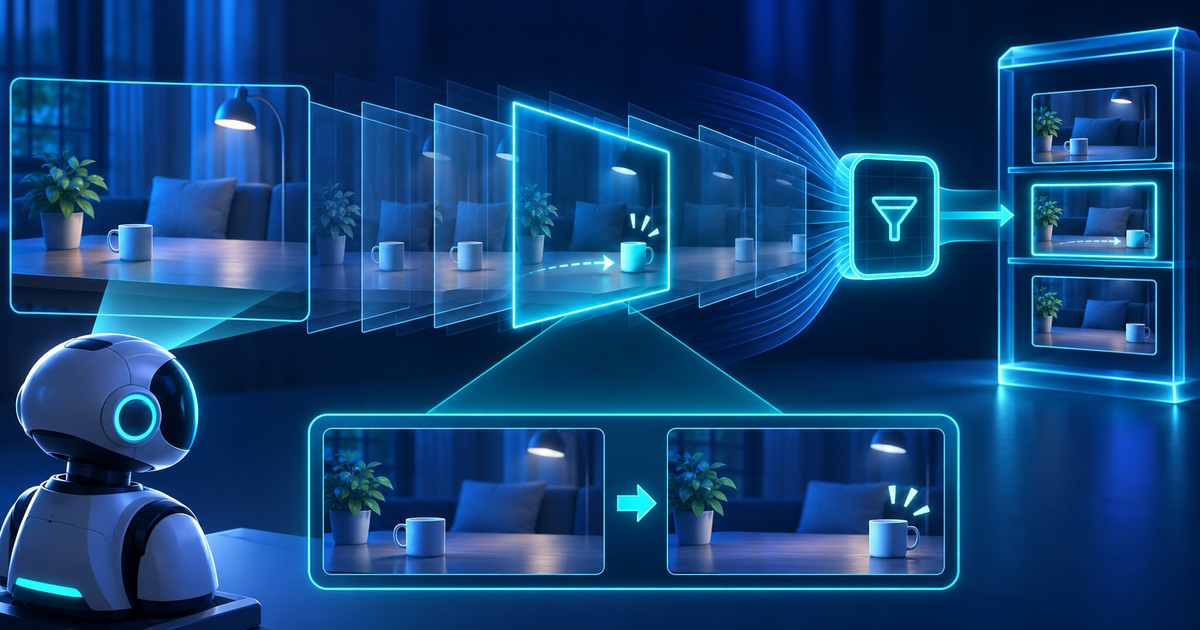
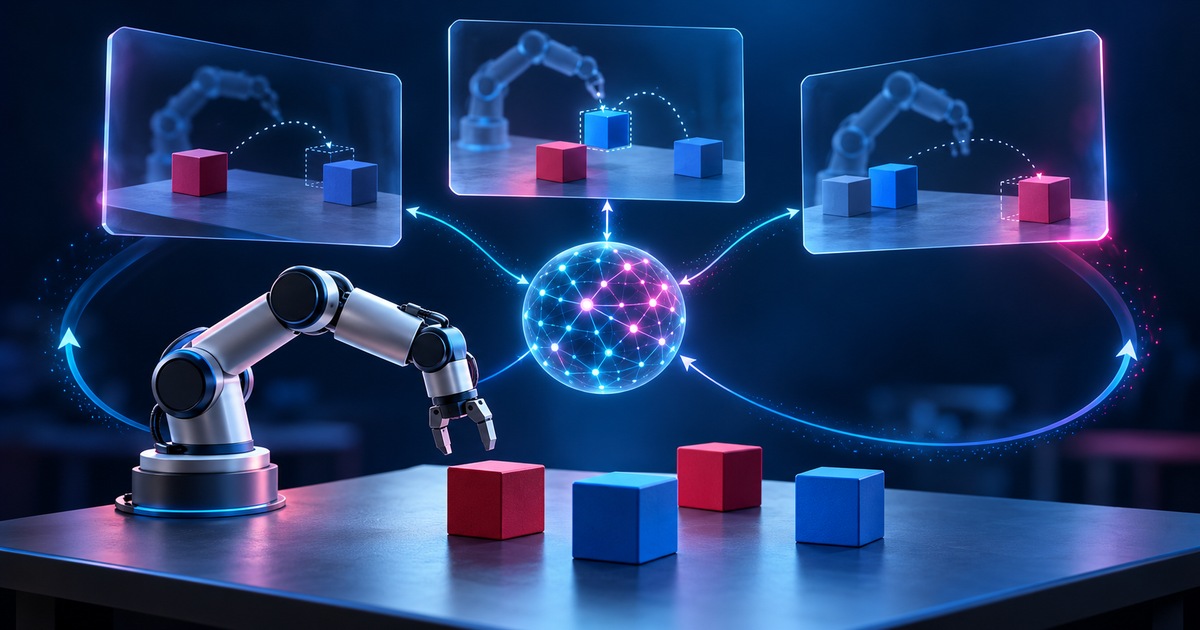
A new MIT and Harvard paper investigates how an AI agent can keep track of a changing robot scene. Its author-reported 88% result comes from a small task set and does not establish industrial reliability.

The November11 preprint examines manipulated model artifacts. It is laboratory research, not evidence of widespread compromise of deployed agents.

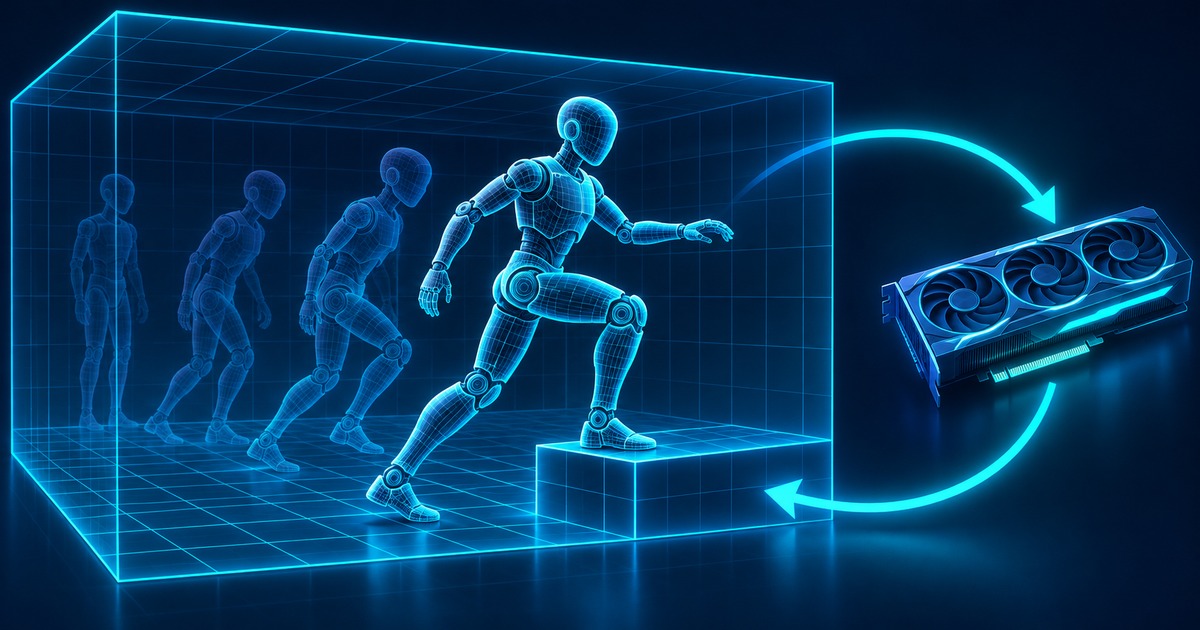
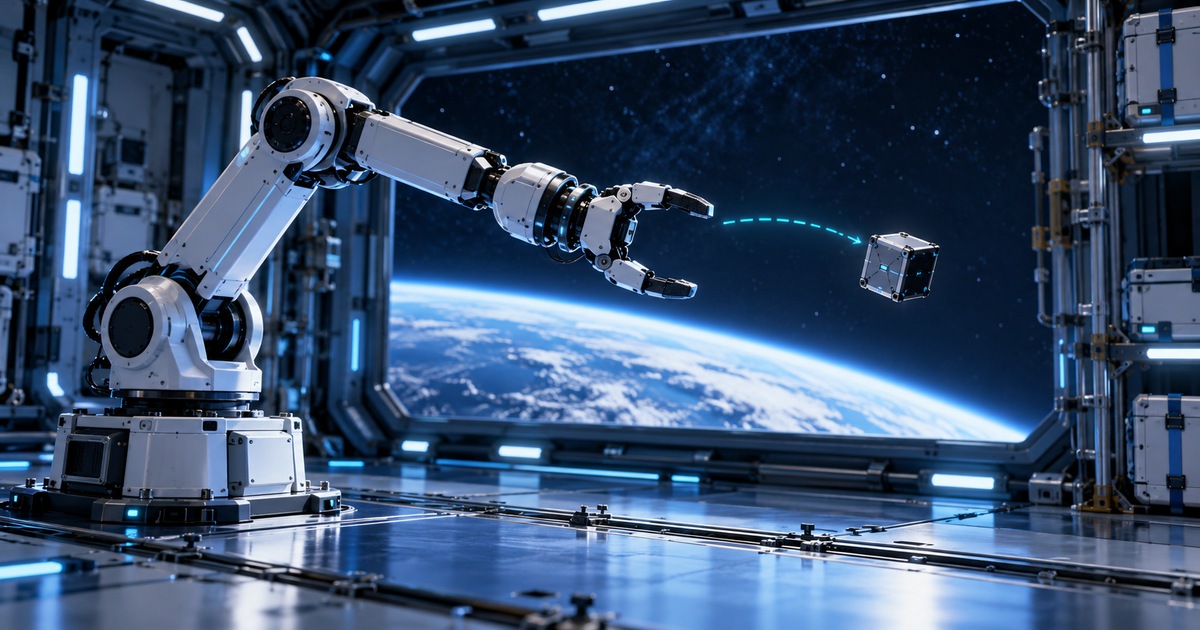
The November 12 preprint evaluates a controller for 40 reference motions. Its precisely defined result does not establish rapid learning by a physical robot.

The November10 update adds frame-by-frame operation and custom conditions. LIFE is an earlier research project; the demo does not establish continuous autonomous learning or a finished home robot.

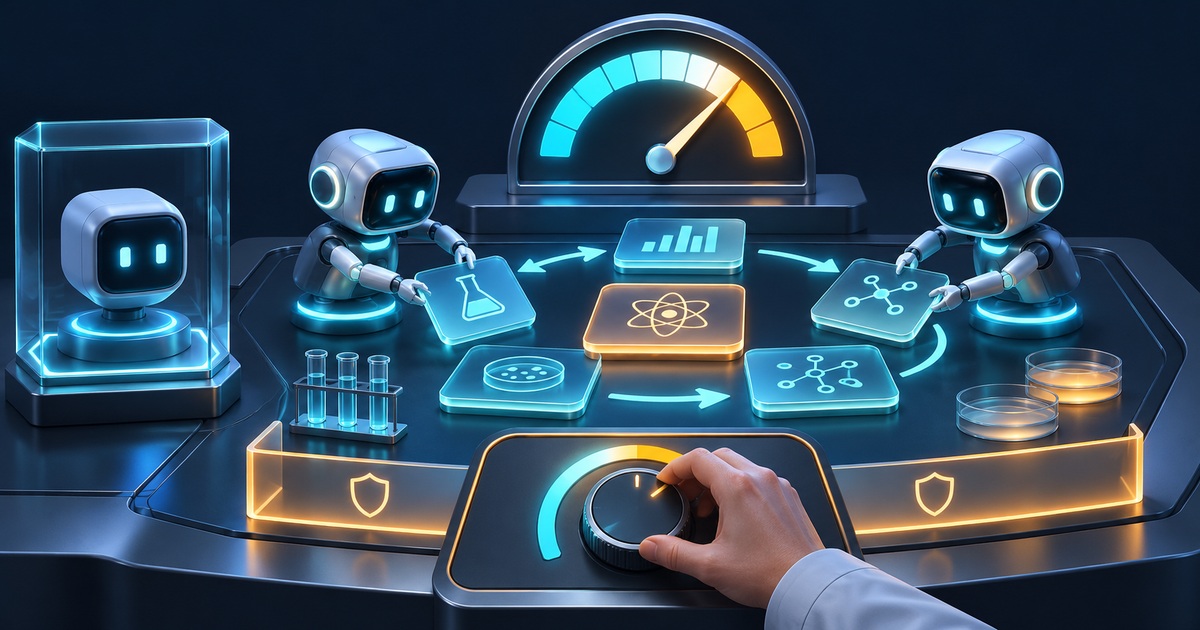
Research agents propose changes and separate experiments test their results. Delivery in a customer-facing product remains a separate question.

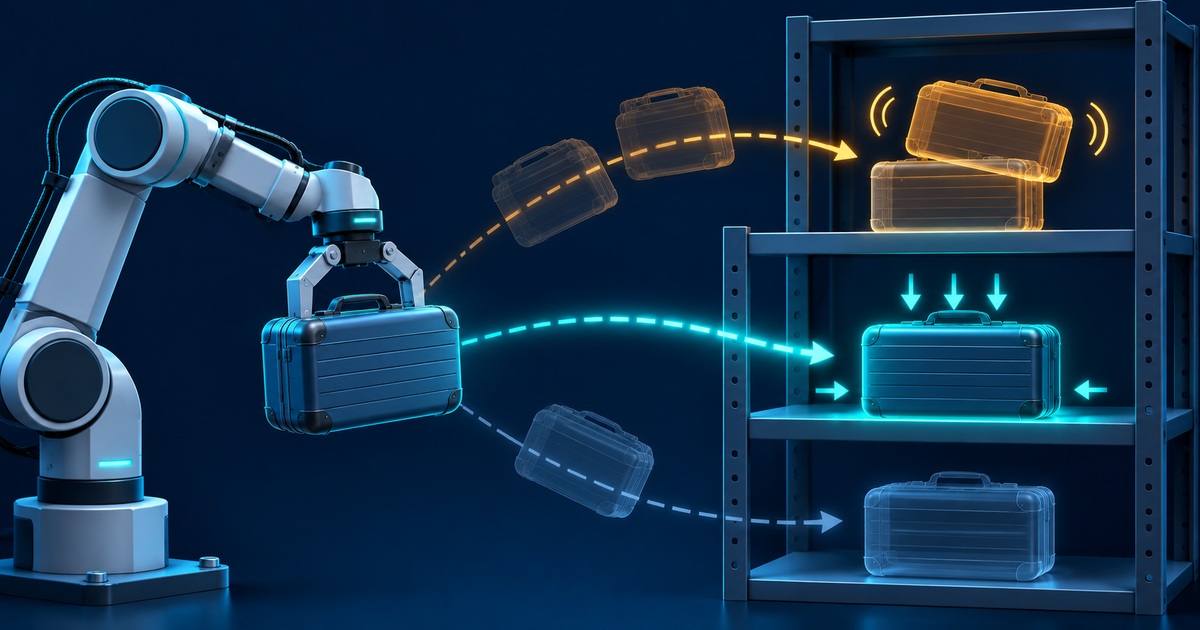
Laboratory results remain distinct from the planned baggage-handling application.

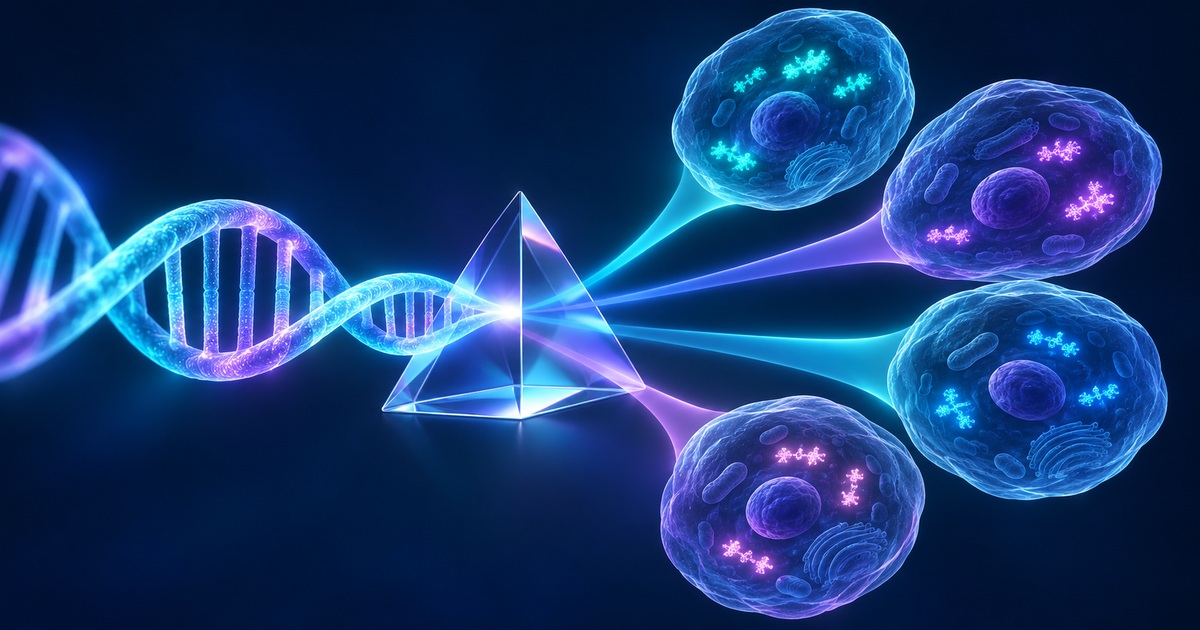
Cell context becomes an input to a specialized DNA model. Its predictions guide research without constituting clinically approved results.

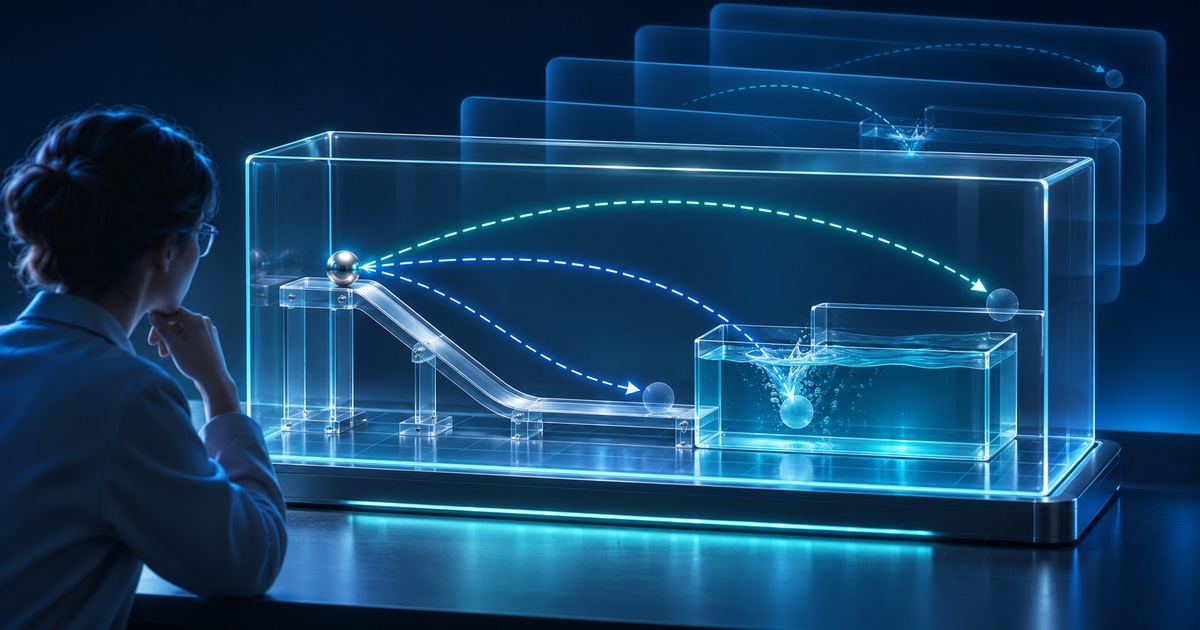
The model connects language-based planning with video simulation and ships code and weights. Its authors report 34% full-plan completion in a specific evaluation, not general physical reliability.

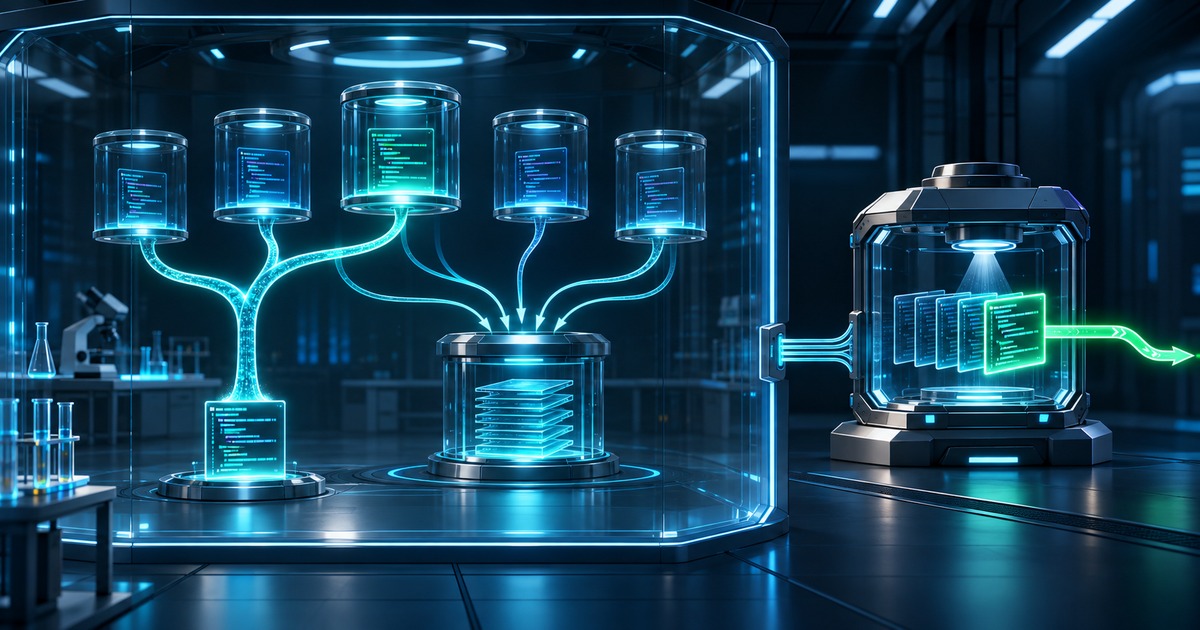
The research loop selects directions and tests code changes. Public files and reproduction conditions enable scrutiny, without themselves establishing independent confirmation.

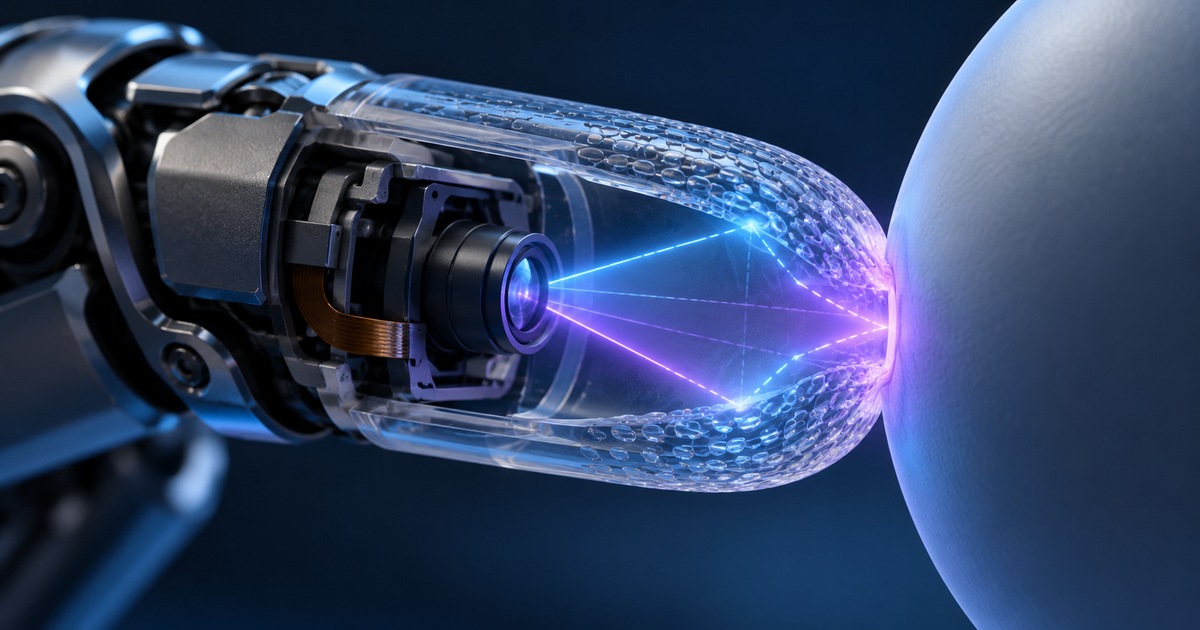
Robbyant releases a model for heterogeneous tactile sensors. Real-world tests and simulations offer research evidence, while reusable representations remain distinct from a complete controller.

One million rows with nine persona descriptions produce nine million role descriptions, not real customers. The dataset offers a Japanese test context with explicit assumptions and limits.

MIT highlighted the research on November 9, while the preprint dates to May. Particle representations and learned corrections provide a shared approach, with task-specific validation still essential.

A new account of an October study explains representation editing. Participants watched simulation; the result is a research method rather than a deployed household robot.

The company reports a result using a non-public Anthropic model and supplies formalization code. Machine checking and independent mathematical scrutiny remain separate tasks.

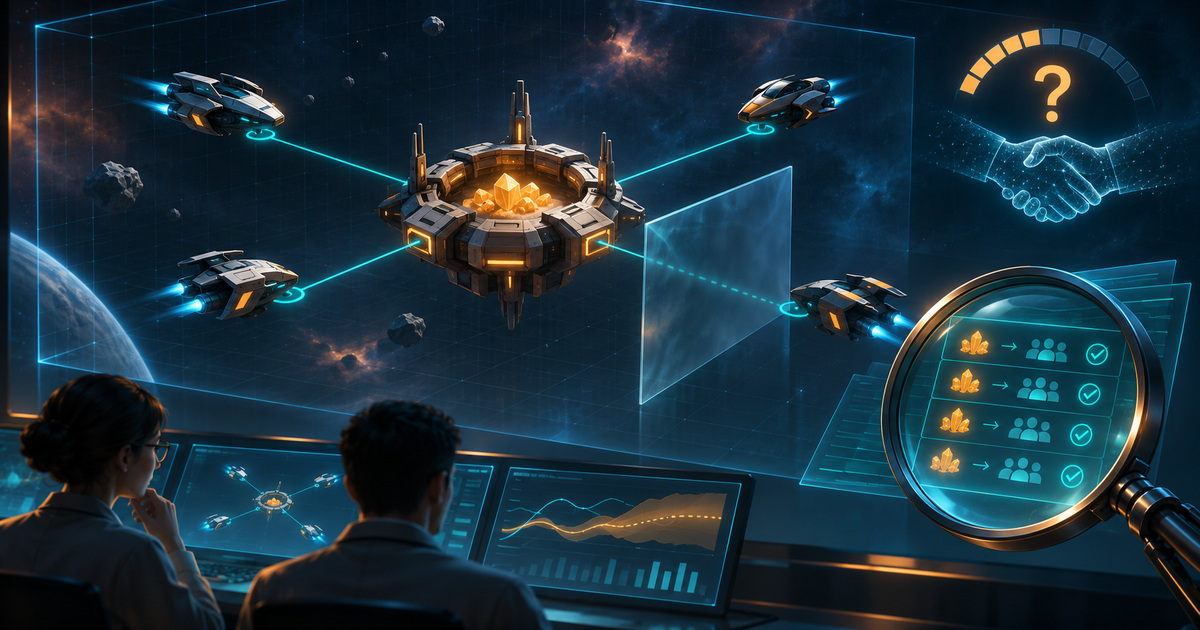
The research separates a market simulation from teamwork in a game. Sabotage is experimentally assigned, and results do not promise real-world returns.

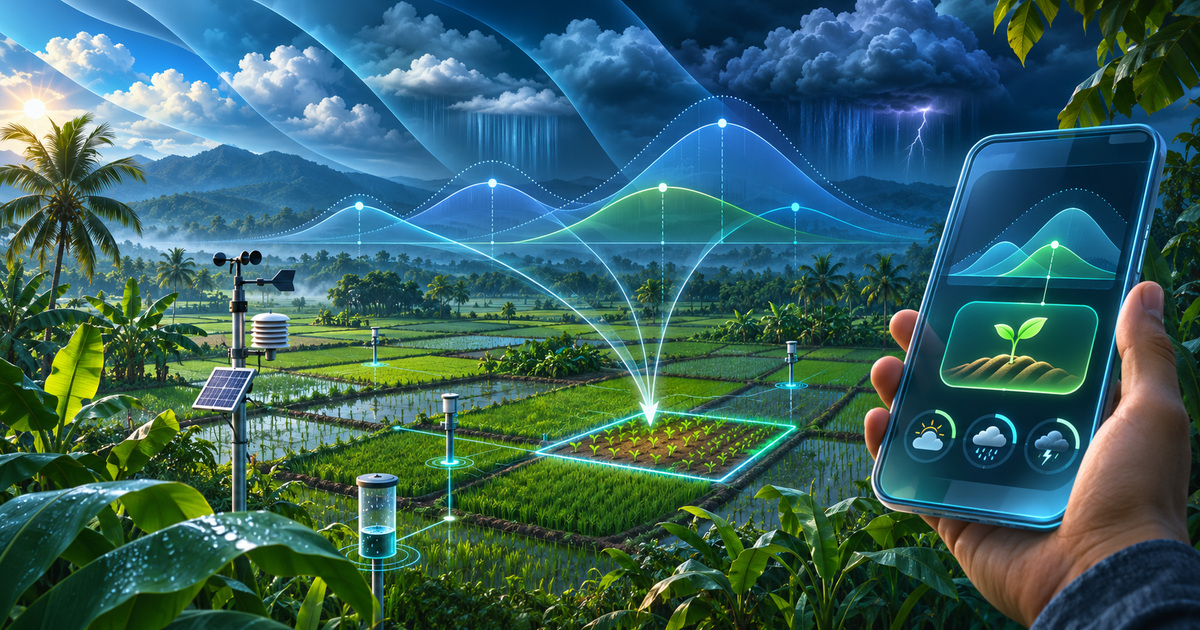
The University of Chicago team gains multi-year Laude support. Its planned open platform aims at locally useful forecasting rather than global accuracy scores alone.

A November 5 preprint examines how benign prior interactions are generalized beyond their scope. Its experiments are simulations, not evidence of real-world incidents.

Weights, training data, and an evaluation are available. The reported reduction in propaganda is a Nous test result, not independent proof of a neutral model.

Klavis AI links dependent engineering requests in a public benchmark. The results explain why passing a step and completing a project are different measures.

A November 6 engineering post explores memory across sessions. We also checked the Dreams documentation, record versioning and the distinction from conversation compaction.

The November 5 assessment concerns progress on tasks, with substantial uncertainty and nonpublic evidence.

Harness Hub connects small LoRA adapters, verifiable tasks and inspection of tool calls. Early tests suggest efficiency gains, with important limits on what the results establish.

Ai2 releases a framework for demonstrations and evaluation with a robot arm and blocks. Metrics separate temporary and final success without certifying real-world readiness.

Two Liva AI conversational sets broaden evaluation coverage. The development concerns test data rather than a new model or an unverified ranking.

CUGA, Hermes and Deep Agents were tested with one model on AppWorld. Different configurations and the absence of policies limit conclusions about enterprise deployment.
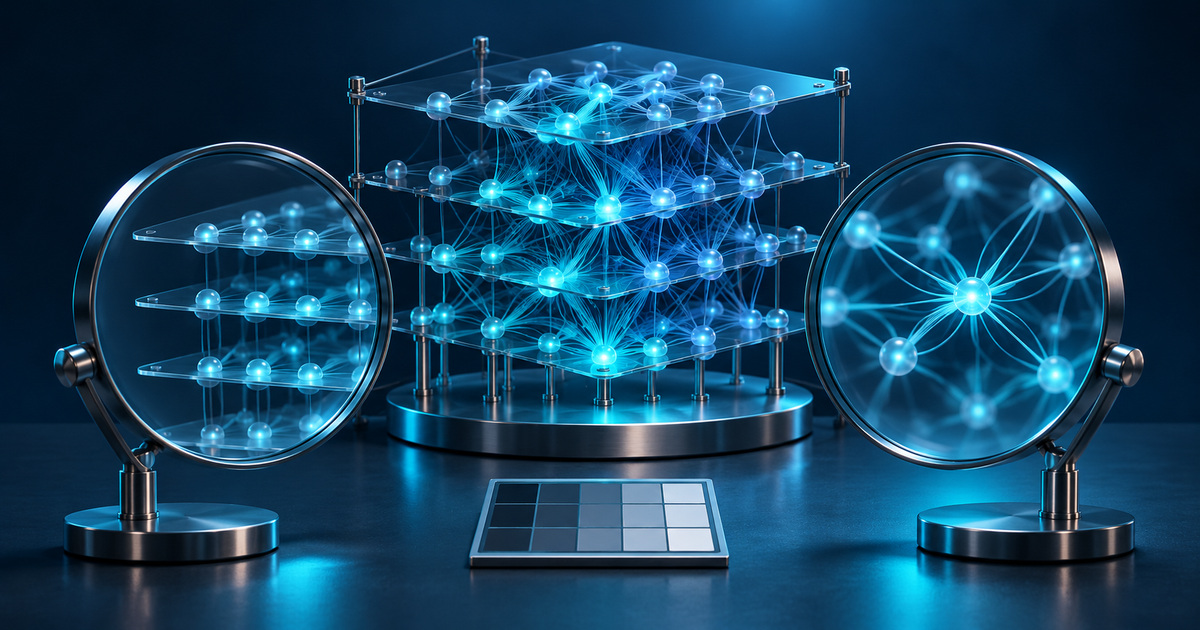
Ai2’s new presentation distinguishes four kinds of state tracking. Its findings separate pretrained models from models trained directly on the synthetic tasks.

Anthropic’s prototype hides model weights but has narrow technical boundaries. Evidence about computation provenance does not establish that an answer is factually correct.

The skills connect the agent to RDKit, ChEMBL and PubChem. DeepMind's demonstration covers compound curation and potency modeling that still require experimental validation.

The preprint measures accuracy and execution cost on 30 benchmarks and separately documents the high cost of the search.

The announced programme supports work on model efficiency, Southeast Asian languages, AI safety and biomedical research.

OpenAI introduced an evaluation for practical assistance. Its public examples show what the company is testing and leave open questions about reliability outside the benchmark.

The controlled experiment searches for weaknesses in a training-example monitor. Anthropic stresses that the deliberately altered research models were never deployed.

A November 1 Show HN post introduces the local memory project. Its available tool stores history, while its author does not claim proven superiority over other memory approaches.

An October 29 preprint investigates active evidence gathering after interface use. SIExpo explains how to distinguish an accomplished task from an unverified assurance of completion.

An October 29 preprint explores task-specific tools with tactile sensors. Its results concern controlled manipulation skills, rather than proven general-purpose household autonomy.

Gemma 4 has returned text from an experimental satellite. The result is separate from questions of reliability and scaling.

An October 30 Microsoft Research article describes synthetic enterprise environments. They can protect customer data without replacing validation in a real organization.

An upcoming Carnegie Mellon climate challenge will provide the first test. The initiative aims at scientific reuse; better forecasts have not yet been demonstrated.

NVIDIA describes an agent-driven radio-astronomy workflow. The development concerns processing and coordinating observations, rather than evidence of an extraterrestrial signal.

An October 29 university feature revisits earlier research on synthesising a wrist-camera view. Predicted imagery, physical observation and demonstrated reliability need to be kept distinct.

The proposal combines active robots, autonomous hours and acceptable output. It remains an evolving company framework rather than an established industry standard.

Anthropic identifies 20 partnerships. Many projects remain at an early stage.

Cloud access has its own support table. Developer API examples do not automatically apply to that deployment.

The research prototype operates in the publisher’s private environment. Expert responsibility stays human, and improved quality or time savings still require measurement.

DeepMind starts with trusted testers. Sound and live editing broaden the approach, while object permanence and physical accuracy remain important limitations.

A new study uses recommender-system design. No LLM calls during selection does not mean a model-free assistant or universal reliability.

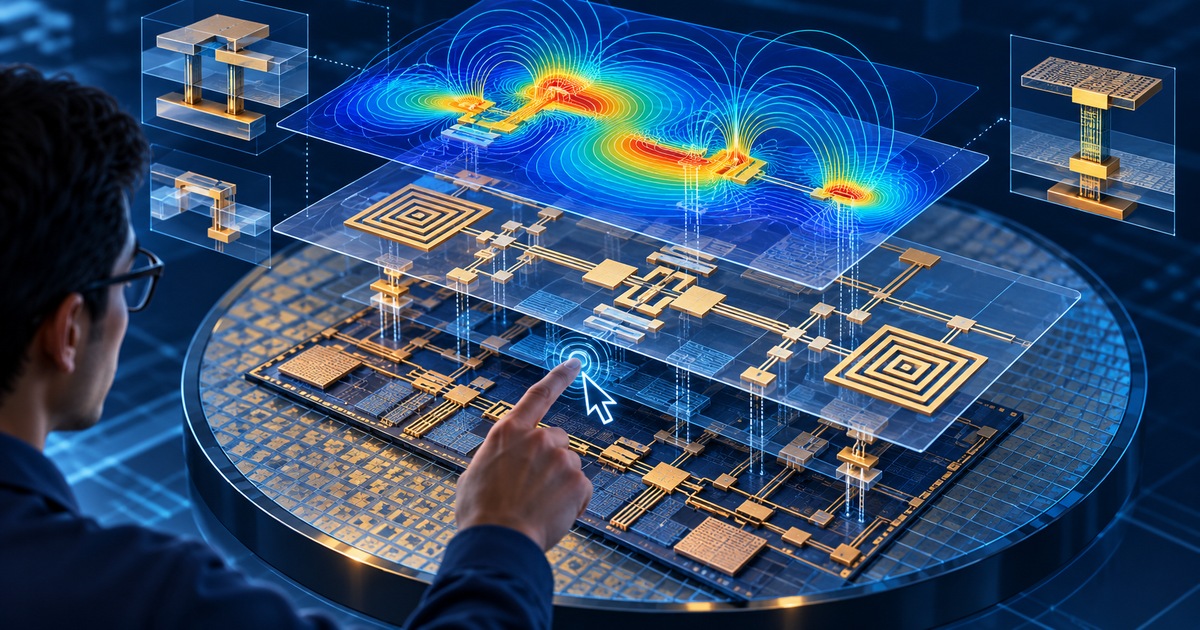
The preprint describes work through professional EDA tools. Results are simulated, with human verification and integration remaining part of the process.

The model combines a reasoner and a video generator. Public materials describe research results with explicit limits on real-robot tasks.

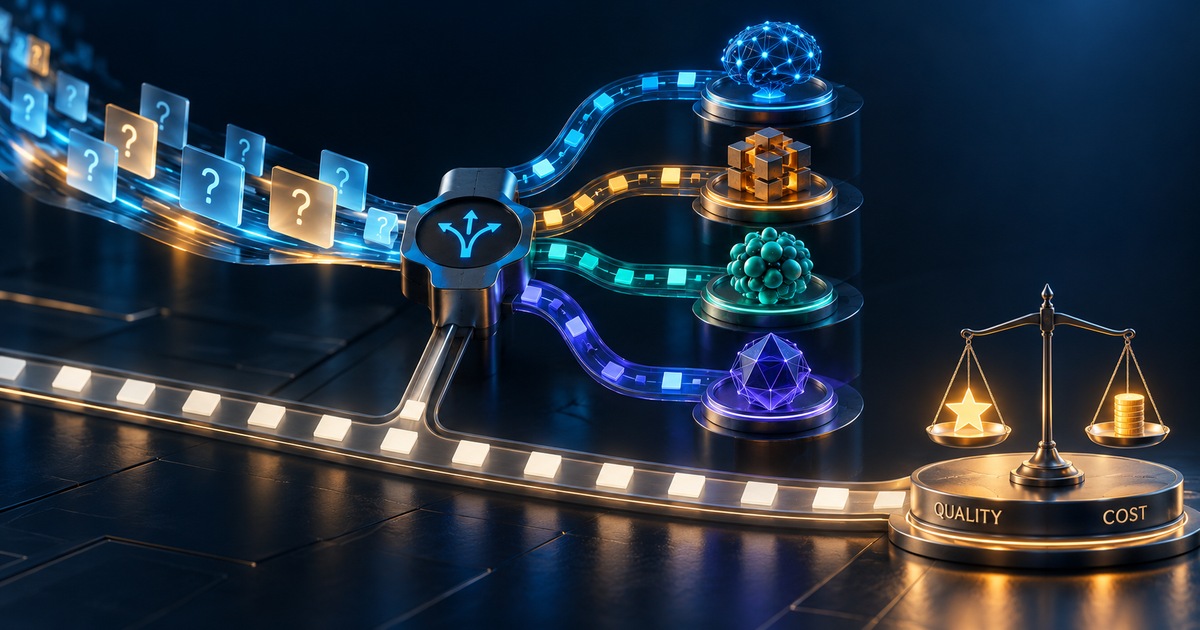
The new analysis uses historical decisions and released data. Its quality-and-cost finding remains specific to the tested tasks and configurations.

The study covers123 open libraries and publishes checkable artifacts. Precise assumptions determine which properties are established.

A new study examines when changing a model helps or hurts. A benefit in one test setting does not automatically transfer to the complete system.

The research resource requires careful comparison of experiments. Acquisition and sustained retention are different outcomes.

The study evaluates combined observations with known objects. Its result remains bounded by the reported conditions.

The fourth release focuses on environmental state. The research resource carries a noncommercial license.
We distinguish news from analysis and possibilities from promises. We provide context and links to original sources.
About Super Intelligence ↗